Apple Sues OpenAI: Implications for AI Development
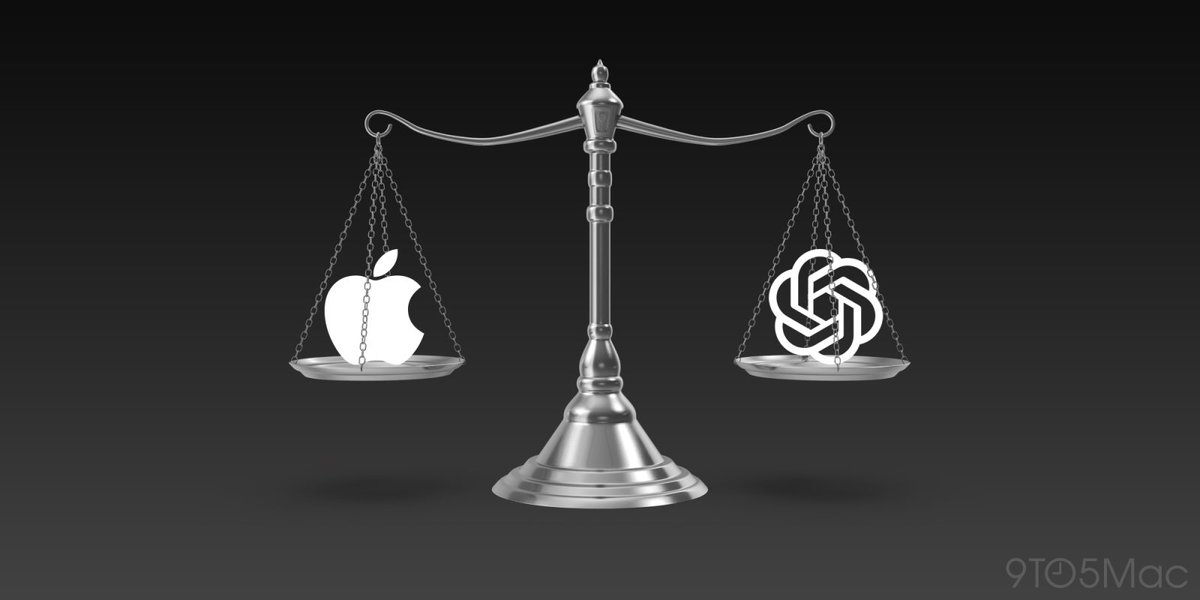
Apple's just thrown a legal grenade into the AI arena, suing OpenAI for alleged trade secret theft. This isn’t just the latest in corporate rivalries; it’s a potential game-changer for the way AI development unfolds. We’re used to watching tech giants tussle, but this feels different. With Apple’s reputation for secrecy and OpenAI’s mission to democratize AI, the implications of this lawsuit could ripple through the industry in unexpected ways.
As we dig into the details, it’s hard not to wonder what this means for innovation in AI. Apple has long been protective of its intellectual property, and the accusation hints at a deeper unease about competition in this rapidly evolving field. Will this suit stifle collaboration, or might it set new boundaries for what companies can and can’t share? Let’s explore how this legal battle could reshape the landscape of AI development and what it signals for the future of both companies.
Background of the Lawsuit
In a significant move, Apple has launched a lawsuit against OpenAI, fueled by concerns over intellectual property and employee conduct. The legal action comes on the heels of Apple's acquisition of a smaller tech firm, Io, for $6.5 billion, which was partly aimed at bolstering its own AI capabilities. Apple alleges that OpenAI improperly employed at least 400 former Apple employees, potentially bringing proprietary information and techniques from their time at Apple into OpenAI's projects. This situation raises critical questions about how companies manage employee transitions and protect their intellectual property.
The timeline leading to this lawsuit is crucial. Apple has long emphasized the importance of safeguarding its innovations. A spokesperson stated, “At Apple, our teams are constantly developing breakthrough technologies to create the best products and services in the world, and protecting their work and intellectual property is something we take seriously.” This statement underscores Apple’s commitment to preventing any unauthorized use of its technologies.
The implications of this lawsuit extend beyond just legal ramifications. OpenAI has been at the forefront of AI development, and accusations like these could tarnish its reputation and disrupt its operations. The situation is further complicated by claims that there’s a broader culture at OpenAI that normalizes misconduct, as highlighted by a comment from an anonymous source: “This is the tip of the iceberg. Apple lacks visibility into what’s been happening behind closed doors at OpenAI, where such misconduct is normalized and exemplified by leadership.” As the case unfolds, it will be essential to monitor how both companies navigate this increasingly complex landscape.
The Trade Secrets at Stake
The allegations against OpenAI regarding their recruitment practices introduce a complicated ethical landscape. If true, the idea that new hires are being instructed on how to navigate scrutiny while retaining confidential information from past employers is deeply troubling. It raises fundamental questions about the integrity of talent acquisition in a competitive tech environment. While companies often seek to attract top talent, this approach could undermine trust and transparency within the industry.
Community reactions highlight a significant concern: the potential normalization of questionable practices as firms vie for an edge in an increasingly competitive market. Some view this as a necessary maneuver in a cutthroat industry, while others see it as a troubling precedent that could erode ethical standards. I think this could have long-term ramifications, especially if it becomes a tactic that other companies feel pressured to adopt.
What’s particularly concerning is how this dynamic may shift the perceptions of tech companies among potential employees, partners, and consumers. If the narrative around OpenAI continues to suggest a culture of secrecy and ethical ambiguity, it could alter how talent approaches recruitment in the industry. I wonder how this might influence future hiring practices: will companies double down on ethical transparency, or will they feel compelled to adopt similar tactics to remain competitive?
Implications for AI and Tech Industry
The situation raises significant ethical questions about recruitment practices in the tech industry, particularly at a time when trust is already tenuous. OpenAI's alleged approach to onboarding new hires—guiding them on how to navigate exiting roles at Apple while retaining sensitive information—suggests a troubling willingness to prioritize competitive advantage over ethical standards. This could lead to a culture where companies feel compelled to adopt similarly questionable tactics just to keep pace, which is concerning.
Community reaction reflects a mix of outrage and a sense of inevitable inevitability. Many feel that this behavior, if true, indicates a broader trend where companies increasingly prioritize aggressive recruitment strategies that skirt ethical boundaries. I think this sentiment underestimates the friction involved in maintaining company culture and integrity. Organizations like OpenAI and Apple are built on reputations for innovation and ethics. There’s a real risk that employing such tactics could backfire, damaging not just public perception but also internal morale if employees feel they work in a morally ambiguous environment.
Looking ahead, it's unclear how this will play out. Will it prompt other companies to scrutinize their own hiring practices? Or will it escalate into a norm that’s accepted, if not condoned? I’m left wondering if the tech community will address these ethical concerns head-on or if we’ll continue down a path where competitiveness trumps integrity.
Conclusion
Apple's lawsuit against OpenAI is more than just a legal squabble; it raises significant questions about proprietary technology in the AI space. With trade secrets allegedly at stake and the former Apple VP involved, this case could set a precedent for how tech companies protect their intellectual property in an increasingly competitive landscape. OpenAI’s apparent lack of response to Apple’s concerns is telling and suggests that the tension over AI development is only going to escalate.
As we watch this unfold, it’s unclear how this will impact the broader tech industry. Will it lead to stricter boundaries around what can be shared in AI development, or will it only fuel further innovation as companies navigate these legal waters? One thing is certain: as AI continues to evolve, the implications of this lawsuit will be felt across the field. How far will companies go to protect their secrets, and will this shift the relationship between tech giants and emerging AI entities?