Creamy Lobster Bisque Recipe – Rich & Luxurious!
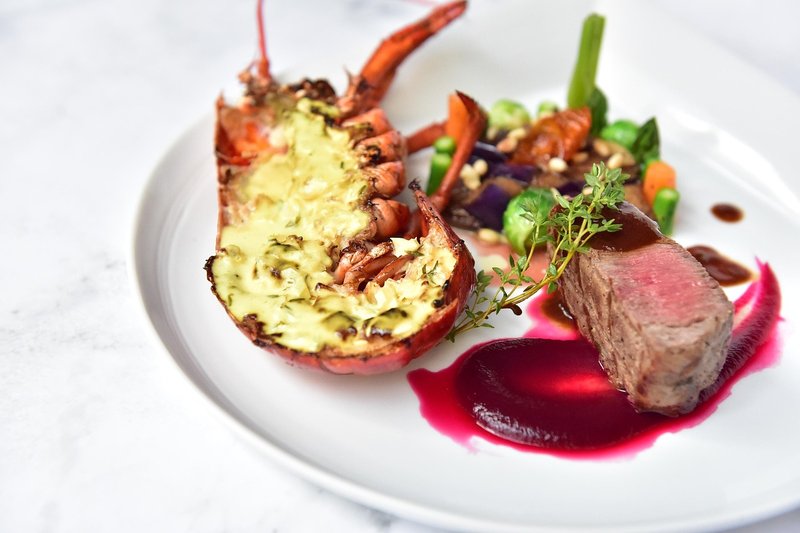
Lobster bisque
Lobster bisque
Ingredients
- One live lobster (around 1 lb)
- 1 liter of boiling water
- 1 tablespoon of sea salt
- A small handful of fresh parsley
- 400 milliliters of dry white wine (Chardonnay works best)
- 750 milliliters of rich chicken stock
- 2 finely chopped shallots
- 2 minced garlic cloves
- 1 diced carrot
- 2 diced celery stalks
- 75 grams of unsalted butter
- 2 dried bay leaves
- A pair of fresh thyme sprigs
- 1 tablespoon of tomato paste
- 40 milliliters of aged brandy
- 80 milliliters of dry sherry
- 150 milliliters of heavy double cream
- Juice from half a lemon
Instructions
Step 1
Here’s the expanded Step 1 with a warm, conversational tone and clear instructions: --- Fill a large pot with enough water to fully submerge your lobster—about 6 quarts should do the trick for a medium-sized one. Bring the water to a rolling boil over high heat, then stir in 1 tablespoon of salt until it dissolves. Gently lower the lobster in tail-first (if it’s alive, that’s perfect) and let the water return to a boil before you start timing. Boil the lobster for exactly 6 minutes, no longer—this keeps the meat tender and the shell vibrant. When time’s up, use tongs to carefully lift the lobster out of the pot and immediately plunge it into a bowl of ice water to stop the cooking. This quick chill makes the meat easier to remove later. Save every last drop of the simmering liquid in the pot—it’s liquid gold for your bisque. Strain it through a fine-mesh sieve if you spot any bits of shell or foam, and you’ve got a rich, flavorful fish stock to build the next layers of your soup. If you’re using pre-cooked lobster instead, just swap in a high-quality fish stock from a cube or carton.
Step 2
Once the lobster has cooled enough that you can handle it without burning yourself, place it on its back on a sturdy cutting board. With a sharp chef’s knife in hand, make a deep, steady cut straight through the underside, working from the tail all the way up to the head. As you open the shell, tilt the lobster toward you so any dark tomalley that spills out can be rinsed away with cold water from the faucet. When you’re done, lift out the claw and tail meat in one piece, leaving the rest of the shell behind—pop them straight into the fridge so they stay cold and ready for the next step.
Step 3
Heat your soup pot over medium-high heat and melt the butter, swirling it around so it coats the bottom evenly. Add your crushed lobster shells in a single layer, making sure no piece is bigger than about a square inch—this way they’ll toast rather than steam. Stir once to coat every bit in the butter, then let them fry undisturbed for 5 minutes, until the shells turn a deep golden brown and smell like a seaside bonfire.
Step 4
Pour the white wine into the pot until it just covers the lobster shells, then set the pot over medium-high heat. Let the wine bubble away for a minute or two to lift all those rich, briny flavors off the shells. When the wine has nearly evaporated, add the parsley, the reserved salted boiling water, and the chicken stock. The liquid should come about an inch up the sides of the pot—add a splash more water or stock if it’s shy. Reduce the heat so the soup simmers gently, not a rolling boil, and let it tick away for 45 minutes. Halfway through, set the lid slightly askew so the steam can escape but the pot doesn’t dry out. After 45 minutes you’ll have a deep, coral-colored broth that smells like the ocean and a cozy kitchen—perfect for the next step.
Step 5
Meanwhile, finely dice the onion, carrot, and celery—you want pieces about the size of a dime so they soften evenly. In the same pot you used for the shells, melt the remaining tablespoon of butter over medium heat until it just starts to foam but isn’t brown. Add the vegetables and a pinch of salt, stirring so every piece is coated in butter. Cook, stirring every minute or two, until the onion looks translucent and the edges of the carrot just begin to soften—about 5 minutes. If anything threatens to stick, loosen it with a wooden spoon and a splash of water. When the stock is ready, fish out the shells and parsley sprigs with a slotted spoon and pour the rich, golden liquid through a fine-mesh sieve into a clean pot. Pick through the sieve to make sure no stray bits remain—this soup should be silky, not chunky. Return the pot to medium-low heat and add the vegetables, thyme sprigs, bay leaf, tomato purée, brandy, and sherry. Bring to a gentle simmer, then drop the heat so the soup just trembles under the lid. Let it tick away for 45 minutes, checking once halfway to give it a quiet stir.
Step 6
Here’s your expanded Step 6 for lobster bisque, written in a warm, conversational style with clear instructions: --- **Step 6: Finish the bisque and plate it with flair** First, carefully transfer the bisque to a blender and purée until silky smooth—you’ll want to work in batches if it’s a big batch to avoid overflow. Then, pour the purée back into the pot, stir in the heavy cream, and warm everything over medium-low heat until just steaming, about 3–4 minutes. Don’t let it boil, or the cream might curdle. While the bisque heats, melt a small pat of butter in a small skillet over moderate heat. Once it’s foamy, add the reserved lobster meat and sear for about a minute per side, just until the edges turn opaque and pick up a hint of golden color. Squeeze in half the lemon juice right after the lobster goes in to brighten the flavors as it cooks. Now, taste the bisque and stir in the remaining lemon juice—you’re balancing richness with a little tang, so add it gradually until it tastes just right. Ladle the bisque into warm bowls, tuck the lobster meat gently on top, and serve right away. The contrast of the hot soup against the cool lobster? Pure magic.
Nutrition Information
Shop This Recipe
My Tip
When you fry the lobster shells, press them gently into the butter with your spatula—this ensures every tiny nook gets coated, so you extract the deepest, richest flavor when you add the wine later.
Leftovers
Store this rich bisque in an airtight container in the fridge for up to three days—its creamy texture stays velvety when sealed tight. For the best flavor, reheat gently in a saucepan over low heat, stirring often, until just simmering.
Make It Your Own
Swap the chicken stock for a rich vegetable stock and use smoked paprika to give the bisque a subtle smoky depth that still lets the lobster shine.