Easy Spaghetti Carbonara Recipe in 22 Minutes
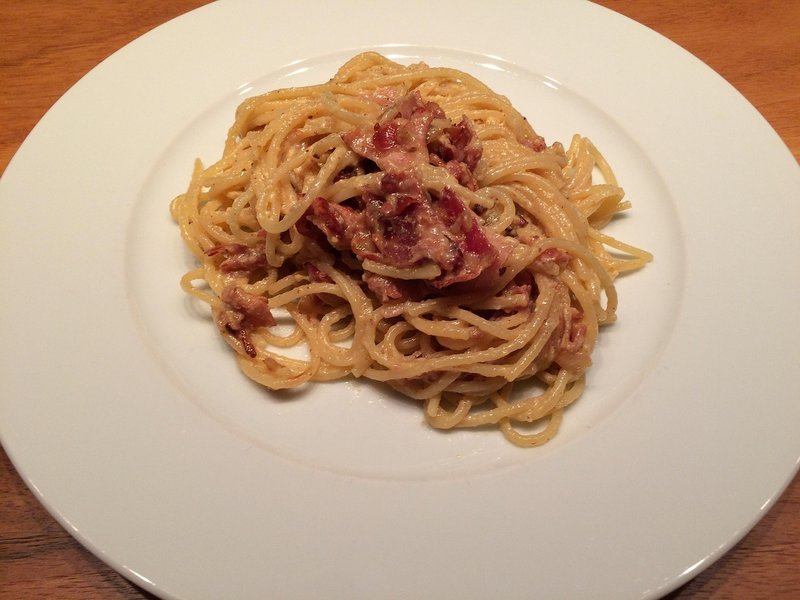
Spaghetti Carbonara, Step-by-Step
Spaghetti Carbonara, Step-by-Step
Ingredients
- Three tablespoons Diamond Crystal or one tablespoon plus two and a quarter teaspoons Morton kosher salt, plus extra
- Four ounces guanciale (salt-cured pork cheek), pancetta (Italian cured pork belly), or bacon
- Two ounces Parmesan or Pecorino Romano
- Two large eggs plus three large egg yolks
- Freshly cracked black pepper
- Two tablespoons extra-virgin olive oil
- Twelve ounces spaghetti
Instructions
Step 1
Here’s your expanded Step 1 with warmth, clarity, and all the details you need to nail it: --- Fill your largest pot with 6 quarts of water and set it over high heat on the stove. The bigger the pot, the better—you want plenty of room for the pasta later. As the water heats, you’ll see a faint mist rising from the surface, like a whisper of steam. That’s your signal to add 3 tablespoons of Diamond Crystal salt (or 1 tablespoon plus 2¼ teaspoons of Morton kosher salt). Stir it in quickly so the salt dissolves evenly, then slap the lid on tight. The steam trapped inside will speed up the boiling, and you’ll have rolling, bubbling water in no time. ---
Step 2
Here’s your expanded Step 2 with warm, conversational instructions that keep it clear and engaging: --- While the water heats up, let’s get your mise en place ready—this way, everything moves smoothly once the pasta hits the pot. Grab a cutting board and a sharp knife, then slice your 4 oz of guanciale, pancetta, or bacon into strips about 1 inch long and ¼ inch thick. You want those pieces to be small enough to crisp up quickly in the pan but still hold their shape in the final dish. Next, grab your cheese. Finely grate 2 oz of Parmesan or Pecorino Romano—whatever you’ve got—using the smallest holes on your grater so it melts into the sauce later. Scoop out about a quarter of the grated cheese and set it aside in a small bowl for topping your finished dish. The rest will go straight into the sauce where it belongs. ---
Step 3
Here’s your expanded Step 3 with clear, conversational cooking instructions: --- Grab a medium bowl and crack in 2 whole large eggs plus 3 extra yolks—save the shells for your compost or trash. Whisk like you’re trying to whip up a gentle storm until the mixture turns pale and smooth, with no streaky bits left behind. Once that’s done, fold in most of the grated cheese (save a small handful for topping later) so it melts right into the eggs. Finish with a few good grinds of black pepper—don’t be shy—and set the bowl aside near the stove where it’ll stay warm.
Step 4
Set your Dutch oven or other heavy pot over medium heat while you’re draining the pasta. Add 2 tablespoons of extra-virgin olive oil, then let it shimmer for about 30 seconds. Slide in your sliced guanciale, pancetta, or bacon and stir occasionally—you’re aiming for deep golden edges and a crispy texture, 7–10 minutes. Watch for the fat to render and the edges to turn a rich, honey-colored brown. That’s your cue the meat is ready to hand off its savory flavor to everything else in the pot.
Step 5
Take the pot off the stove and set it aside for a moment. Using your wooden spoon, gently lift all the pork pieces out of the pot and transfer them to a small bowl—you’ll add them back in later, so keep them warm. Carefully pour the golden fat from the pot into a heatproof measuring cup, leaving behind any crispy bits that might have formed on the bottom. Measure out 3 tablespoons of that rendered fat and pour it back into the pot, then set the rest aside—you can either discard it or save it for another use (it’s perfect for frying eggs later).
Step 6
Here’s your expanded Step 6 for Spaghetti Carbonara, written in the requested style: --- While the spaghetti simmers, keep an eye on the clock—you’ll want to pull it from the water about two minutes before the package says it’s done. Give the pot a gentle stir every now and then so the strands don’t stick together, and when the pasta looks just shy of al dente, grab your favorite heatproof measuring cup. Scoop out 1¾ cups of the starchy cooking water, then set it aside on the counter for later. This liquid is your secret weapon for a creamy sauce, so don’t skip this part! ---
Step 7
Now we’re getting to the fun part. Keep your Dutch oven hot over medium-high heat while you grab that reserved pasta water—it’s about to work magic. Pour in the full cup of starchy liquid and let it come to a lively boil, stirring occasionally so it doesn’t scorch on the bottom. Meanwhile, set your colander in the sink and give the spaghetti a gentle shake to shed any loose strands. Drain it right into the colander, shaking once more to leave the pot behind. Slide the drained strands straight from colander into the bubbling Dutch oven, letting the heat grab them right away.
Step 8
Turn the heat up to medium-high and bring your pasta water to a rolling boil. Once it’s vigorously bubbling, add your pasta and give it a good stir right away so nothing sticks to the bottom. Keep the pot at a steady boil, stirring every 30 seconds or so—this keeps the strands moving and the starch from building up. You’ll know it’s ready when the pasta is al dente and the water has thickened into a silky, starchy sauce that coats the strands. When it looks like the pot is about a quarter full, turn the heat off completely and pull the pot off the burner.
Step 9
Whisk the reserved pasta water into the egg and cheese mixture until smooth and silky. Over low heat, slowly pour the egg mixture into the Dutch oven while stirring constantly—this keeps things creamy and prevents scrambled eggs. Keep going until the sauce turns glossy and coats the back of a spoon, about 2 to 3 minutes. Taste now and add a pinch of kosher salt if you think it needs it. Next, bring the remaining pasta water to a simmer and gradually thin the sauce with it, a tablespoon at a time, until it’s just thick enough to cling to the strands of pasta—like heavy cream. You probably won’t need all of it, but go slow so you don’t over-thin the sauce.
Step 10
**Step 10: Finish the pasta and serve** Toss the hot pasta with the pork in the skillet, stirring just until everything is evenly coated and heated through—about 30 seconds. Divide the pasta among warmed bowls, letting each portion settle into a cozy nest. Sprinkle a generous pinch of freshly cracked black pepper over each serving, then scatter the reserved cheese on top so it melts into little pools. Serve right away while the pasta is still steaming and the cheese is just starting to turn golden at the edges.
Nutrition Information
My Tip
Before you drain the pasta, scoop out a cup of starchy pasta water and set it aside—this is your secret weapon for loosening the sauce later.
Leftovers
Store leftovers in a shallow airtight container so the sauce stays creamy, not soggy, and refrigerate for up to 2 days. Reheat gently in a skillet over low heat with a splash of water, stirring often, until just warmed through—no scrambled eggs here.
Make It Your Own
Try swapping the guanciale for smoky turkey bacon to keep the salty punch without the pork—just dice it a little smaller so it crisps up faster in the pan.