Facebook's Monetised Accounts
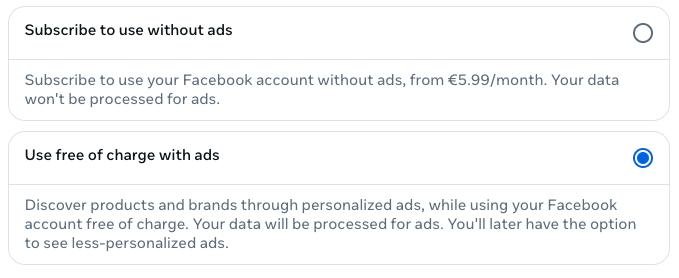
Facebook’s paying millions to creators who specialize in pissing people off.
That’s not an exaggeration or a conspiracy talking point—it’s a line item in Meta’s regular disclosures since 2019. Last year alone, they cut checks to about two million accounts explicitly built around divisive, outrage-driven content. The math checks out: more engagement from the furious, more ads served, more revenue recycled into more of the same.
The real kicker? We’re not talking about fringe accounts hiding in the dark corners of the platform. These are official “partner-publishers,” boasting verified checkmarks and revenue-sharing deals that let them turn hate clicks into hard currency. Meta’s own data shows the pattern: wherever they open their wallet, toxicity spikes and discourse curdles. You can trace the funding streams to the same playbook once reserved for conspiracy peddlers—only now it’s spreadsheets, not shadowy forums.
I don’t know whether this is deliberate manipulation or just the inevitable chemistry experiment of an ad engine optimized for outrage. Either way, the numbers don’t lie.
Introduction to Partner-Publishers
Meta's partner-publisher program has been around since 2017, and it's grown significantly over the years. As of September 2025, the program has 16.2 million monetised accounts, with a total spec of $US3 billion. This growth is likely due to the program's ability to provide creators with a way to earn money from their content.
The company has a history of disclosures about the program, dating back to 2019. They've been fairly transparent about their policies and procedures, including how they handle violations of their Community Standards. For example, when Content Monetisation Pages violate these standards, Meta applies penalties such as temporarily or permanently disabling their ability to earn on the platform. As a Meta representative noted, "We have clear policies in place which anyone using our monetisation tools must comply with." They also stated, "When Content Monetisation Pages violate our Community Standards, we apply penalties such as temporarily or permanently disabling their ability to earn on our platforms."
It's worth noting that this program is not without its challenges. Managing 16.2 million monetised accounts is a complex task, and ensuring that all of these accounts comply with Meta's policies is a difficult job. However, the company seems committed to transparency and fairness in their dealings with partner-publishers.
To give you a better idea of how this works, let's take a look at a simple example of how a partner-publisher might use Meta's monetisation tools. Here's an example of how you might set up a basic monetisation system using a bash script:
meta_monetisation_setup --account-id 123456 --platform facebook
meta_monetisation_configure --account-id 123456 --policy-standard community-standards
This script sets up the monetisation tool for a specific account and configures it to comply with Meta's Community Standards.
Overall, Meta's partner-publisher program is a significant part of their business, and it's clear that they're committed to making it work for both creators and the company itself. With 16.2 million monetised accounts and a total spec of $US3 billion, it's an important part of the social media landscape.
The Scale of Facebook's Investments
I think the scale of Facebook's investments in its content monetization program is noteworthy, particularly given the company's publication of regular disclosures on its "partner-publishers" since 2019. The fact that there are now 2 million monetized accounts in 2025 suggests that the program has been successful in attracting and retaining creators. However, I also think that the criticism from authors, such as the one accusing Facebook of rewarding toxic behavior, raises important questions about the impact of this program on the broader media ecosystem.
The accusation that the ABC profited from the work of independent journalist Tom Tanuki without giving him proper recognition is particularly troubling, as it highlights the potential for exploitation of independent creators within the program. I'm not convinced that Facebook's disclosures provide sufficient transparency into how the program operates, or how creators are compensated for their work. While the company may argue that its program provides opportunities for creators to monetize their content, I think it's also important to consider the potential risks and downsides, particularly for independent creators who may not have the same level of bargaining power as larger media organizations.
As I consider the implications of Facebook's investments in its content monetization program, I'm left with more questions than answers. For example, how will the company balance the need to attract and retain creators with the need to prevent the spread of toxic or exploitative content? And what steps will the company take to ensure that independent creators are fairly compensated for their work, and given proper recognition for their contributions? I don't have a clear answer to these questions, and I think that's what makes this issue so complex and worthy of further discussion.
One thing that I am certain of, however, is that the success of Facebook's content monetization program will depend on its ability to navigate these complex issues and find a balance between competing interests. If the company can't find a way to address the concerns of creators and critics alike, I think it's likely that the program will continue to face criticism and scrutiny, and may ultimately struggle to achieve its goals.
Implications of Paid Rage-Bait Content
I think the fact that Meta has been publishing regular disclosures about its partner-publishers since 2019 is often overlooked in discussions about the company's content monetization program. The recent revelation that there will be 2 million monetized accounts in 2025 has sparked controversy, with some critics arguing that the program rewards toxic behavior. I agree that this is a concern, particularly when it comes to the spread of misinformation or hateful content. However, I also think it's worth considering the fact that many of these partner-publishers are likely small-scale operations or individual creators who are trying to make a living from their content.
The criticism from authors and journalists, such as the one accusing Facebook of profiting from the work of independent journalist Tom Tanuki without proper recognition, is also worth taking seriously. I think this highlights the need for greater transparency and fairness in the way that content is monetized and attributed on platforms like Facebook. It's not just about the financial aspect, but also about giving creators the recognition they deserve for their work. The fact that Tom Tanuki's work was used without proper recognition is a specific example of a broader issue that needs to be addressed.
What's unclear to me is how Meta plans to balance the need to reward high-quality content with the need to prevent the spread of toxic or misinformation. I think this is a difficult problem to solve, and one that will require a nuanced approach that takes into account the diverse range of content and creators on the platform. Simply put, I'm not sure what the right solution is, but I do think that Meta needs to do more to address these concerns and provide greater transparency and accountability in its content monetization program.
One specific question that I think is worth considering is how Meta will define and enforce standards for what constitutes "high-quality" content, and how it will ensure that its partner-publishers are held to those standards. Will it be based on engagement metrics, or will it involve human moderation and review? I think this is a crucial question, and one that will have significant implications for the future of content on the platform.
Conclusion
I'm still trying to wrap my head around the fact that Facebook has 16.2 million monetised accounts, with the company directly paying some content creators who promote white nationalist and anti-vaxxer ideologies. The scale of this is daunting, especially when you consider that Meta has been publishing disclosures about these "partner-publishers" since 2019, and yet we're only now getting a glimpse into the true extent of the problem.
The $US3 billion figure that Facebook has paid out to these creators is also a sobering reminder of the financial incentives at play here. It's unclear what the future holds for Facebook's monetisation program, but one thing is certain: the company needs to take a harder look at who it's paying and why. I'm not convinced that Meta has a handle on this issue, and the fact that they've been paying neo-Nazis and anti-vaxxers is a disturbing trend that warrants further scrutiny.
What's next for Facebook's partner-publisher program is anyone's guess, but I'm willing to bet that we'll see more controversy surrounding the company's content moderation policies and payment structures. Will Meta finally take steps to address the issue of paid rage-bait content, or will they continue to prioritize profits over people? Only time will tell, but for now, I'm left with more questions than answers.