Crispy Fried Kibbeh Recipe | Middle Eastern Bulgur & Meat Parcels
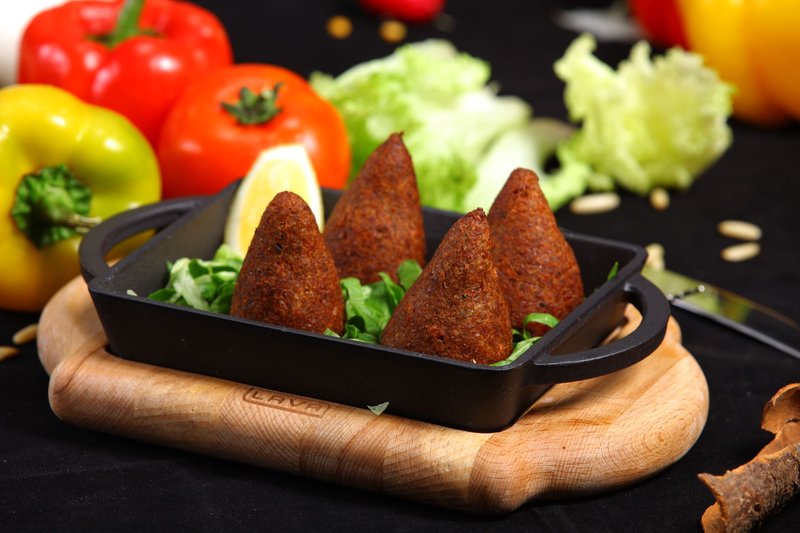
Fried kibbeh (bulgur & meat parcels)
Fried kibbeh (bulgur & meat parcels)
Ingredients
- 325 grams of finely ground bulgur wheat
- 500 grams of lean ground beef or lamb
- 1 small onion, cut into chunksy pieces
- Half a teaspoon of ground cinnamon
- One teaspoon of Arabic mixed spice (or regular ground mixed spice)
- Vegetable oil for sautéing
- Yogurt, hummus, salad, and lemon wedges for accompaniment
- One tablespoon of olive oil
- One onion, minced finely
- 250 grams of ground beef or lamb
- Two tablespoons of pine nuts (if desired)
- A dash of Arabic mixed spice (or regular ground mixed spice)
Instructions
Step 1
Start by heating a splash of olive oil in your frying pan over medium heat. Once the oil is shimmering, add your diced onion and let it cook gently for about 10 minutes, stirring occasionally, until it turns soft and translucent with just a hint of golden color around the edges. Push the onions to one side of the pan and add your ground lamb (or beef), breaking it up with a wooden spoon as it hits the heat. Continue cooking for 8-10 minutes, stirring frequently, until the meat loses its pink color and develops a rich, deep brown crust. You'll know it's ready when the pan starts to smell incredibly savory and the meat holds together in nice crispy bits. If you're using pine nuts, now's the time to stir them in – they'll toast lightly in the residual heat. Season generously with salt, freshly ground black pepper, and that warm pinch of your favorite Middle Eastern spice blend (I love using a little za'atar or baharat here). Give everything one final stir to combine, then remove the pan from the heat and let the filling cool completely before assembling your kibbeh parcels.
Step 2
Pop the bulgur into a medium bowl and cover it with cold water—enough to give it a good soak. Let it sit for about 20 minutes, until the grains have softened and the water looks cloudy. When it's ready, tip everything into a fine-mesh strainer and give it a gentle shake to drain well, then press lightly with the back of a spoon to squeeze out any excess moisture.
Step 3
Now grab your food processor and toss in that drained bulgur along with the 500g of mince, your finely chopped onion, 1 teaspoon of salt, half a teaspoon of black pepper, and whatever dried spices you're using. Pulse everything together until it transforms into a smooth, slightly sticky mixture that holds together when you squeeze it—if it looks dry or crumbly, splash in a couple of tablespoons of water, one at a time, until it comes together. You want the texture to be pliable enough to shape later, so give it a good whizz and check that it's not too coarse or too wet.
Step 4
Wet your hands to prevent sticking, then grab a small handful of the kibbeh mixture—about 65 grams each if you're weighing them. Roll it smoothly between your palms into a tight ball, then use your thumb to press into the center and gently pinch outward, creating a little pocket about the size of a quarter. You’re aiming for 22 of these shells total, so take your time and keep the mixture evenly portioned. Set them on a plate as you go—they’ll hold their shape nicely while you work.
Step 5
Take a heaping tablespoon of the cooled filling and place it in the center of each bulgur oval. Pinch the edges together firmly, making sure no filling peeks through, then roll gently between your palms to reshape into a smooth oval about 3 inches long with tapered ends. Don't worry if the first one looks a little rustic — you'll get the hang of the sealing motion after a few. Set each finished kibbeh aside on a plate while you work with the rest of the mixture.
Step 6
Get your heavy-bottomed pan ready and pour in enough vegetable oil to fill it halfway up the sides. Heat that oil to 180°C (350°F) – you'll know it's ready when a small cube of bread sizzles and turns golden brown in about 30 seconds. Working in small batches so you don't crowd the pan, carefully add your kibbeh parcels and let them fry for 4-5 minutes, turning them over occasionally so they cook evenly and develop that beautiful golden crust. Using a slotted spoon, transfer the fried kibbeh to a plate lined with kitchen paper to drain excess oil – look at that gorgeous golden color!
Nutrition Information
My Tip
Make sure to squeeze out every bit of moisture from the soaked bulgur before mixing it with the meat — this prevents your kibbeh coating from becoming too wet and falling apart during frying. A clean kitchen towel works better than just draining in a sieve.
Leftovers
Store cooled kibbeh in a paper-lined container to absorb excess oil, then transfer to an airtight container in the fridge for up to 3 days. Reheat in a hot skillet with a little oil to restore that golden crunch.
Make It Your Own
Try swapping the bulgur wheat for quinoa for a gluten-free twist that still holds the kibbeh together beautifully. You'll get a slightly nuttier flavor and extra protein boost.