Tesla Winds Down Cybertruck to Ramp Up Cybercab Production
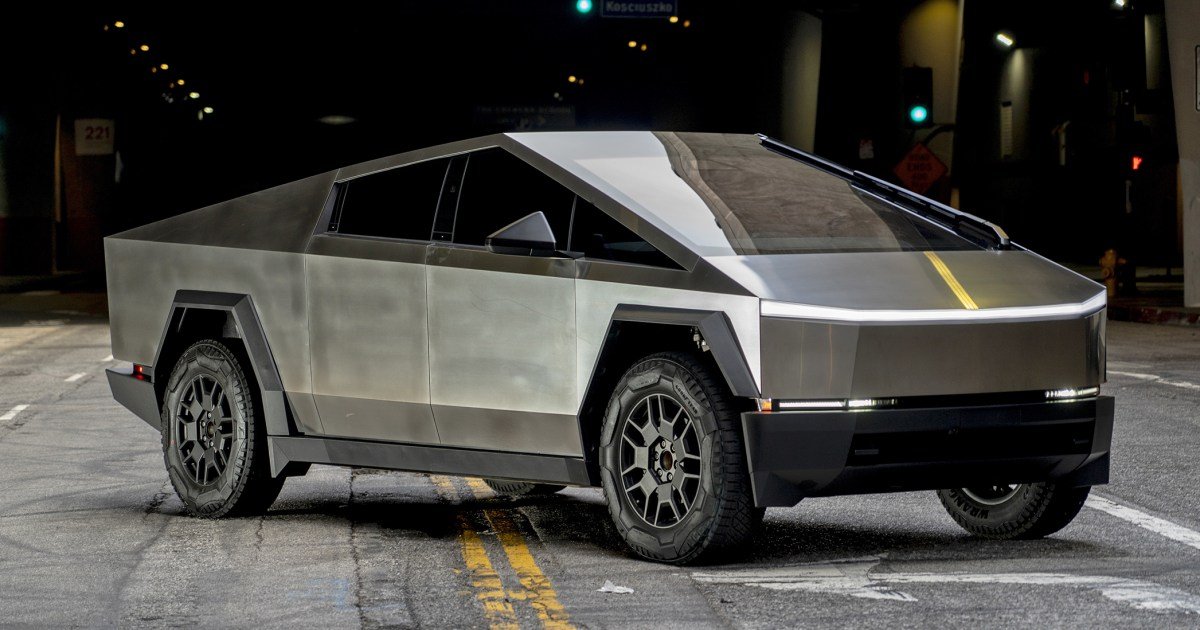
Elon Musk is winding down the Cybertruck. Not in some distant future, but with a production halt planned for the Texas gigafactory around mid-2027. The truck that was supposed to change how people think about pickups, that ended up selling in just a handful of markets despite years of anticipation, is being pushed aside to make room for the Cybercab. It's a stark admission that Tesla's robotaxi ambitions now matter more than its electric pickup dreams.
I've watched this truck go from "the future of trucks" to a line item they're willing to sacrifice, and the sales numbers never justified the factory space. My take: this isn't really about the Cybertruck failing; it's about Musk finally betting the factory on the thing he's been talking about for a decade. The Cybercab isn't a side project anymore. It's the main event, and the pickup is paying for it.
But here's the catch nobody mentioned on X: the Austin plant is the only Tesla facility equipped to build the Cybertruck's specialized components. If they ever want to bring it back, they're looking at a full retooling, not a simple restart. So is this a permanent goodbye, or just a very expensive pause?
The Announcement
Elon Musk posted on X that the Roadster "is never getting mass produced," adding that he wonders whether Model 3 and Y will still be around in 5-7 years. The post links to a thread on xnotme.com, but the core message is immediate: Tesla's original halo car is dead, and its two volume sellers are on a countdown.
The timeline is the specific part that matters. "5-7 years" puts the Model 3 and Y wind-down between 2030 and 2032, assuming the post dates from late 2025. That's not an immediate shutdown—Tesla still has billions in annual revenue riding on those two nameplates—but it signals that no next-generation replacement is coming. The Roadster cancellation is final; the Model 3/Y question reads as rhetorical.
from datetime import datetime, timedelta

post_date = datetime(2025, 11, 21)  # date of the X post
years_min, years_max = 5, 7

earliest_end = post_date + timedelta(days=365 * years_min)
latest_end = post_date + timedelta(days=365 * years_max)

print(f"Production window: {earliest_end.year} to {latest_end.year}")
My take is that this is Tesla admitting the 3/Y platform has hit its ceiling. The company has spent years trying to make those cars profitable at scale, and the answer appears to be that they're good enough for now but not worth a redesign. That's a pragmatic call, not a panic, but it leaves existing owners and the Fremont line in an awkward spot.
The announcement doesn't address what happens to the Roadster reservations Tesla has collected deposits on, or whether service parts for 3/Y will continue past the wind-down date. It also glosses over the fact that the Model 3 and Y currently account for the vast majority of Tesla's global deliveries, so "wondering" about their future while they remain the only cars in volume production is a strange way to frame a business.
Compared to the original 2017 Roadster reveal—where Musk promised 0-60 in 1.9 seconds and a 620-mile range for $200,000—the current reality is zero production units after eight years. The Model 3 has been in production since 2017 and still represents the bulk of Tesla's annual volume, which makes the 5-7 year horizon feel less like a threat and more like a maintenance schedule.
Why the Cybercab Takes Priority
The cynicism in the comments isn't irrational. Tesla has a documented pattern of announcing strategic pivots right when previous promises—like full self-driving capability or the 2019 robotaxi timeline—start looking untenable. Winding down existing production to make room for the Cybercab reads less like a bold bet and more like a financial maneuver, especially if SpaceX merger talks are in the air. I think the timing is doing double duty: it signals progress to investors while quietly sidelining whatever vehicle was on those lines.
But the mechanical reality is simpler than the conspiracy. If Tesla is actually idling lines to build the Cybercab, that car is currently the only new hardware ready for volume. The catch is that "priority" means little in absolute terms right now. The Cybercab is a two-seat vehicle with no steering wheel, built for a geofenced service in Austin rather than general sale. Until Tesla proves it can manufacture these at scale—and regulators approve driverless operation beyond Texas—this is a niche product wearing a major strategic label.
What this actually means depends on whether robotaxi economics work at all. If they do, reallocating factory capacity from complex, low-margin legacy models to a purpose-built robotaxi is rational. If they don't, Tesla is trading a working business for an unproven one. The question worth sitting with: can Tesla actually sell enough Cybercabs to replace the revenue from the vehicles it's displacing, or is this the moment the company stops being a conventional automaker?
Impact on Cybertruck Owners and Orders
I think the wind-down is less about killing the Cybertruck and more about Tesla admitting the Fremont factory can't serve two masters. For owners, this means service networks will thin out over time, and resale values—which were already volatile—likely drop further now that production is ending. The Cybercab needs that floor space, and Tesla is choosing the robotaxi bet over the truck.
The community's cynicism about timing has teeth. If this were purely about optimizing for the Cybercab, why announce it now rather than when the Cybertruck's order book actually dried up? I suspect there's financial house-cleaning ahead of any SpaceX merger, but that's conjecture. What isn't speculation: the Cybertruck was never going to hit the volumes Musk originally promised, so this reallocation was inevitable eventually.
The gotcha here is that Cybercab production doesn't automatically translate to revenue. Unlike the Cybertruck, which sold to consumers regardless of regulatory approval, robotaxis need city permits, insurance frameworks, and public trust that don't exist yet. Tesla is swapping a struggling consumer product for an unregulated service business that may not be legal to operate at scale for years.
Will Fremont actually produce enough Cybercabs to justify the switch, or is this just preparing the factory for a different kind of failure? The space isn't the constraint—regulatory approval is.
Tesla's Shift to Mobility Services
I think this wind-down is less a pivot to mobility services and more a bet that the robotaxi narrative is the only thing keeping Tesla's valuation from deflating. The community's cynicism about the timing isn't paranoid—when you've promised full self-driving "next year" for a decade, shifting production to an unproven two-seater looks like financial theater. But I don't think it's purely distraction; it's a recognition that the current vehicle lineup has hit its ceiling, and the Cybercab is the only story left with enough upside to justify the stock price.
The catch the announcement skips over: a vehicle with no steering wheel and no pedals can't be sold as a fallback. If regulators don't approve driverless operation at scale, or if the FSD stack isn't actually ready, Tesla doesn't have a Plan B product to move. That's a hard constraint, not a soft risk.
Compared to Waymo, which has been running paid driverless rides in Phoenix and San Francisco for years, Tesla is starting from zero on both regulatory approval and public trust. The gap isn't just technical. I'm left wondering whether this is a strategic repositioning or a quiet admission that the existing lineup has peaked—and whether investors will spot the difference before the next earnings call.
Conclusion
Tesla is effectively killing the Cybertruck, and not with a dramatic press release but with a slow fade into mid-2027. The Austin plant is the only facility equipped to manufacture those specialized stainless steel components, so unless Tesla spends heavily retooling another factory—which seems unlikely given the sales figures—this is a full stop, not a pause. The truck moved in just a handful of markets and never came close to challenging legacy pickups, so the wind-down makes financial sense even if it strands the early adopters who bought what Musk once called the future of trucks.
What I keep circling back to is the size of the bet. Tesla isn't just reallocating factory floor space; it's abandoning a consumer vehicle that at least sold some units in favor of a robotaxi that no paying customer has actually ridden in yet. If the Cybercab doesn't scale, Tesla will have traded a niche product with weak but real demand for a mobility service that might not work at all. I'm still not sure whether this reads as bold repositioning or a company running out of alternatives.