Why Japanese Companies Lead in Innovation and Diversification
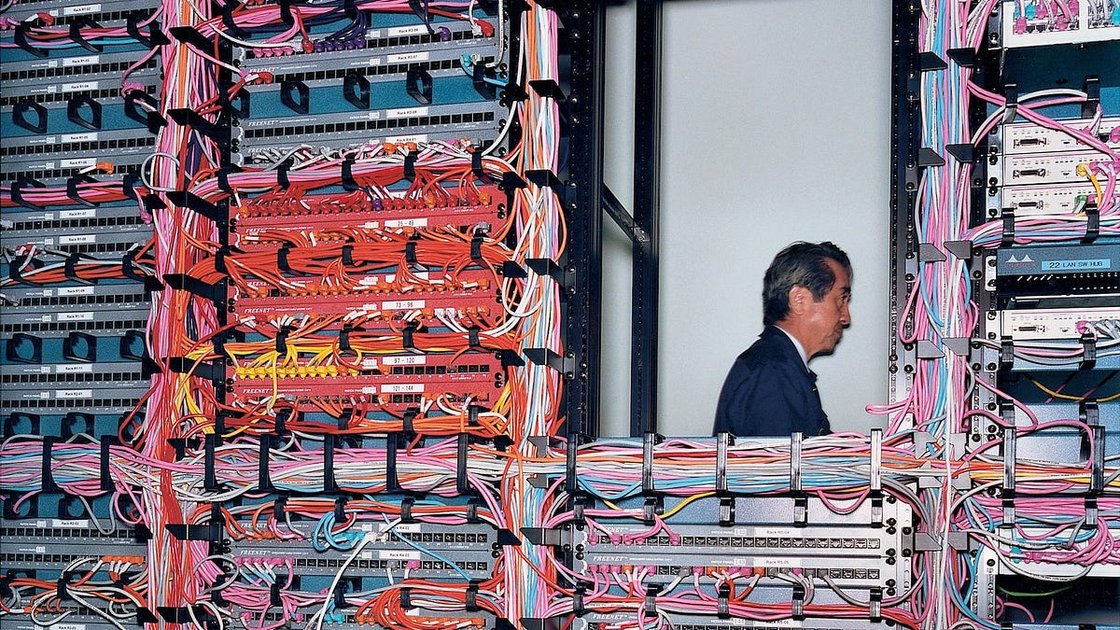
In today's tech landscape, where major corporations often dominate markets with their sheer size and resources, it's refreshing to see smaller players challenging conventional wisdom and carving out unique niches. One such example is Japanese companies, known not only for their meticulous craftsmanship but also for their innovative spirit. What's intriguing isn't just that these firms are thriving in unexpected areas—from technology to food processing—but how they do so by redefining what it means to be a market leader.
This approach challenges the widely held belief that larger is always better. By exploring industries where size might seem like an obstacle, Japanese companies demonstrate that innovation and adaptability can transcend traditional business models. It's as if they are saying: "Size doesn't define success; creativity does." This defiance of expectations not only highlights Japan's economic prowess but also offers valuable lessons for businesses worldwide about the power of resilience in niche markets.
Understanding Japan's Business Diversification
Understanding Japan's Business Diversification
Japan is renowned for its technological prowess and innovative companies across various sectors. From electronics to automobiles, Japanese businesses lead in global markets due to their commitment to quality, precision, and advanced manufacturing techniques. Here are some of the key areas where Japanese companies stand out:
1. Automotive Industry: Japan's automotive sector is a powerhouse globally. Companies like Toyota, Honda, and Nissan not only dominate domestic markets but also excel in exports. Their focus on fuel efficiency, safety, and cutting-edge technology sets them apart from many international competitors.
2. Electronics and Technology: Japanese brands such as Sony, Panasonic, and Fujitsu are synonymous with high-quality electronics. These companies have consistently invested in research and development to stay ahead of technological trends, producing everything from smartphones to industrial robots that are both reliable and technologically advanced.
3. Precision Machinery: Japan is a global leader in precision machinery, which includes not just consumer goods but also equipment used in industries like aerospace, medical technology, and semiconductors. Companies such as Fanuc, Okuma, and JTEKT are known for their high-precision machines that contribute to major sectors' operations worldwide.
These sectors represent only a fraction of Japan's diversified economy, each one offering insights into the entrepreneurial spirit and rigorous approach to quality that is deeply ingrained in Japanese business culture.
Technological Leadership
Technological Leadership in Japan: Insights into Sony and Panasonic
Japan has a storied history of innovation across various industries, from automotive to electronics. Among its prominent tech giants, Sony and Panasonic stand out for their technological prowess and influence on global markets. Here, we delve into the insights that these companies provide about leadership in technology.
Sony: Pioneering InnovationSony is synonymous with creativity and quality. One of its key strengths lies in understanding consumer needs and swiftly adapting to technological trends. Sony's investments in research and development are significant; it regularly introduces groundbreaking products, such as high-resolution audio devices and advanced cameras that set industry benchmarks. This swift adaptation isn't just about staying competitive but also about enhancing customer satisfaction through continuous innovation.
Panasonic: Sustainable LeadershipOn the other hand, Panasonic focuses on sustainability alongside technological advancements. The company has made strides in eco-friendly technologies, which not only appeal to environmentally conscious consumers but also present an opportunity for sustainable business practices. Panasonic's commitment to reducing its environmental impact is reflected in its products and operational processes. This leadership extends beyond mere technology; it involves a broader corporate strategy that prioritizes long-term sustainability.
Strategic Differentiation through R&DBoth Sony and Panasonic are leaders in their respective fields, primarily due to robust research and development strategies. Sony's investment in cutting-edge audio technologies is evident in its line of headphones and speakers designed for audiophiles who demand the best sound quality available. In contrast, Panasonic's emphasis on sustainable products demonstrates a forward-thinking approach that positions it as an industry leader capable of navigating future challenges.
Leadership Through Market AdaptationMarket adaptation is another critical aspect of technological leadership. Sony and Panasonic have both demonstrated their ability to shift focus in response to market trends, whether those are shifts towards higher audio fidelity or a global emphasis on sustainability. This flexibility is crucial for maintaining relevance in rapidly changing markets, as evidenced by the success of Sony's gaming division which has seen significant growth due to shifting consumer preferences towards interactive entertainment experiences.
Conclusion: The Future Looks BrightIn conclusion, both Sony and Panasonic exemplify how technological leadership can be achieved through strategic investment in research and development, market adaptation, and a commitment to sustainability. As we look ahead, these companies continue to push the boundaries of what technology can achieve, ensuring that they remain at the forefront of innovation in their respective industries.
The Automotive Industry
In the automotive industry, the shift towards electric vehicles (EVs) represents a significant transformation that not only challenges traditional gasoline-powered car manufacturers but also opens up new opportunities for startups and tech companies. While legacy automakers are investing heavily in developing their own EV lines, they face several hurdles such as high production costs and regulatory compliance, which can delay the market entry of newer players significantly.
For these reasons, I think the automotive industry underestimates the friction involved in transitioning to EVs fully. The complexity of sourcing reliable batteries, establishing charging infrastructure, and ensuring software reliability across different vehicle models is considerable. This transition period highlights a crucial point: while electric vehicles may be seen as cleaner alternatives, they are not yet perfect; range anxiety remains a significant concern for many consumers, especially when traveling long distances.
Moreover, the pace of EV adoption could slow down if infrastructure development does not keep up with consumer demand. I think there's an opportunity here for tech companies to step in and help bridge this gap by developing more efficient battery technology or improving charging solutions that are faster and less burdensome on the grid. However, it remains to be seen how quickly these innovations can be commercialized and integrated into existing vehicle architectures.
In conclusion, while EVs represent a clear direction for future mobility, their widespread adoption will depend heavily on overcoming current challenges in infrastructure and technology development. The automotive industry needs to pay closer attention to the nuances of EV innovation to ensure it doesn't get left behind as other sectors leverage tech advancements more effectively.
Environmental Initiatives
In recent years, environmental initiatives have become a focal point in tech, with companies increasingly adopting sustainable practices to reduce their carbon footprint and contribute positively to global sustainability goals. This shift is not just about compliance but represents a fundamental change in how technology companies operate. For instance, many organizations are now focusing on reducing electronic waste by implementing recycling programs and encouraging the use of eco-friendly materials in their products.
However, while these initiatives represent significant steps towards greener tech, there remains a notable gap in transparency regarding the environmental impact of software development itself. While hardware manufacturers have been quick to showcase their sustainable practices, software companies often do not disclose the energy consumption or carbon emissions associated with running their applications and services. This lack of visibility could be problematic as the demand for data center operations grows alongside cloud computing usage.
I think this underestimates the friction that might arise from these initiatives. For one, there's a need to standardize environmental impact metrics across all tech sectors to provide clearer benchmarks for performance. Secondly, while hardware upgrades and software optimizations can mitigate some emissions, the true scope of an industry's carbon footprint often extends beyond what is immediately apparent in daily operations.
What remains uncertain, however, is how quickly these changes will translate into systemic shifts throughout the technology sector. For now, I think we're witnessing a nascent phase of environmental stewardship within tech, where companies are still finding their footing and learning best practices from each other. Whether this marks a turning point in the industry's approach to sustainability remains to be seen, but one thing is clear: the journey towards greener technology will continue to unfold with both promising progress and significant challenges ahead.
Conclusion
In Japan, businesses are not just about manufacturing cars; they're leading in diverse technological advancements and sustainable practices. The country's commitment to diversifying its economic landscape is evident in sectors like automotive and technology, where Japanese companies are setting the pace globally. While the automotive industry remains a cornerstone of Japan's industrial might, it's equally impressive how Japanese businesses are embracing new technologies and environmental policies that shape tomorrow's industries.
For instance, Toyota and other Japanese automakers aren't just refining combustion engines; they're investing heavily in electric vehicles (EVs) and autonomous driving technology. This shift not only demonstrates a proactive approach to the evolving automotive landscape but also hints at Japan's potential as a leader in future mobility solutions.
Moreover, companies like Panasonic are pushing technological boundaries by developing innovative battery technologies that could redefine EV performance. These technological advancements not only enhance competitiveness within the Japanese market but also have global implications, showing how Japan is more than just an automotive powerhouse—it's becoming synonymous with cutting-edge innovation.
Environmental stewardship is another area where Japanese businesses are making significant strides. Companies like Sony and others are investing in renewable energy solutions to reduce their carbon footprint, reflecting broader societal concerns about climate change. This not only enhances corporate sustainability but also opens up new markets for eco-friendly technologies.
In conclusion, Japan's business landscape is multifaceted, with its automotive industry as one of the pillars, supported by dynamic technological advancements and responsible environmental policies. The country's ability to diversify its economic activities highlights a strategic approach to resilience in global markets. Whether it's mastering the latest EV innovations or pioneering sustainable practices, Japanese companies are demonstrating that they can lead across multiple fronts—a testament to their adaptability and foresight.
As we look ahead, one intriguing question remains: How will Japan continue to balance tradition with innovation? The past success of both automotive prowess and technological leadership suggests an ability to innovate in the face of global trends. However, there's still room for more exploration in how these sectors can synergize for sustainable growth—a direction that could redefine competitive landscapes not just within Japan but globally as well.