Anonymous GitHub Account Releases 0-Day Exploit Repo
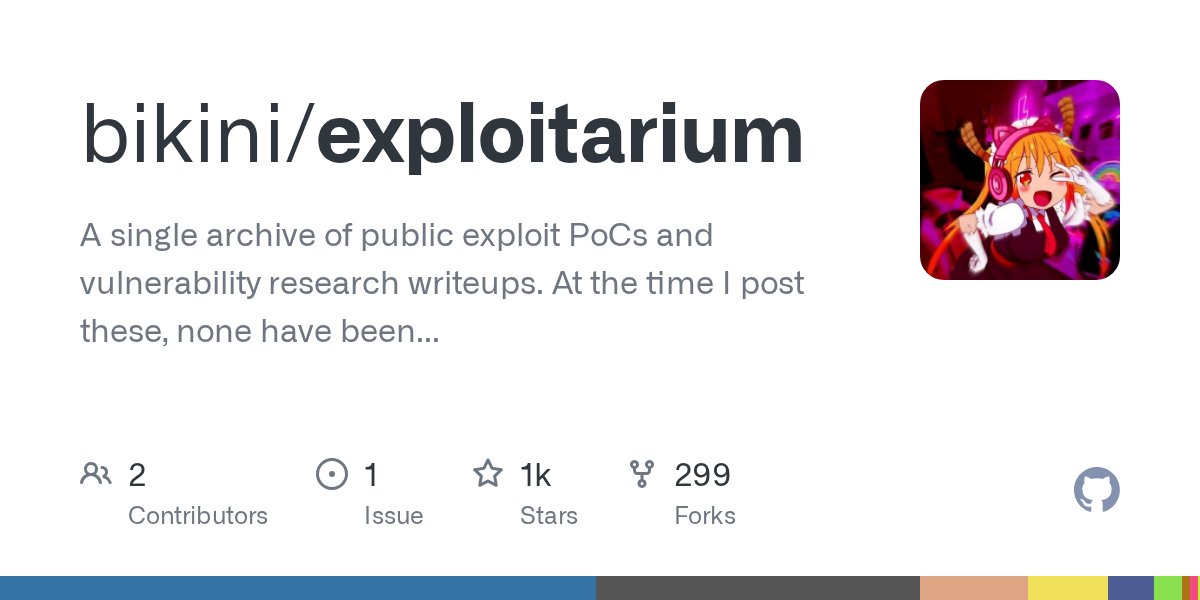
A mysterious GitHub account recently unleashed a treasure trove of undisclosed 0-day vulnerabilities, and it’s sending ripples through the developer community. This isn’t just another security report; it raises some serious questions about ethics in the world of software vulnerabilities. Who’s behind this account? Are they doing the community a favor or just throwing a wrench into the works?
The repo itself is a mixed bag. Some findings are more polished than others—looking at you, Ghidra—but there are definitely gems hidden in there that could shake things up. I went through the code, and while I automated my fuzzing workflow using AI, I still found myself wrestling with the results. It’s wild how much we rely on tools like 5-3-Codex-Spark to do the heavy lifting, but you can’t help but wonder if we’re losing our edge in the process.
This release isn’t just a curiosity; it’s a call to action. I’m motivated to keep unearthing findings and sharing them with you. There’s a lot to unpack here about how we approach security and the responsibilities that come with it. So, how do we strike a balance between sharing knowledge and ensuring it doesn’t fall into the wrong hands? Let’s dig into the implications of this repo and what it means for developers moving forward.
Overview of the 0-Day Release
A GitHub account known for its controversial stance on vulnerability disclosure recently published multiple zero-day exploits. The account, which has gained notoriety for sharing exploits publicly instead of privately notifying vendors, released details on several high-impact vulnerabilities affecting popular software. This decision raised eyebrows and sparked heated discussions within the security community.
The zero-days include a critical remote code execution (RCE) vulnerability in a widely used web application framework. This kind of vulnerability allows attackers to execute arbitrary code on a target system, potentially leading to full system compromise. Another notable exploit targets a widely used database management system, allowing unauthorized access to sensitive data. The implications of these vulnerabilities are significant, especially for organizations that rely on these tools for their operations.
Reactions from the security community have been mixed. Some security researchers express concern that public disclosure without prior notification to affected vendors can lead to widespread exploitation before patches are available. Others argue that such transparency forces companies to take vulnerabilities seriously and speed up their patch deployment processes. This part is genuinely confusing because while there’s merit in raising awareness, the potential for immediate harm is a real concern.
As discussions unfold, companies are urged to review their software for the mentioned vulnerabilities and apply necessary mitigations. For organizations using affected platforms, immediate action is essential. Here’s a simple command to check for updates on a popular web application framework that may help mitigate some risks:
npm update <framework-name>This command ensures you're running the latest version, which typically includes security patches. As the situation develops, we’ll likely see more discourse on responsible disclosure practices and their impact on security.
Ethical Considerations in Vulnerability Disclosure
The practice of disclosing zero-day vulnerabilities anonymously raises significant ethical questions that impact not just the researchers but the broader tech community. On one hand, revealing these vulnerabilities without prior notice can drive immediate attention to security flaws, compelling vendors to act. This can lead to quicker patches and enhanced overall security. However, there's a darker side to this approach, as it can also expose users to heightened risks before necessary measures are taken.
When security researchers choose to disclose vulnerabilities anonymously, they often operate in a gray area. The intention may be to expose negligence or to push companies toward better security practices, but the consequences can vary widely. If a vulnerability is made public without a responsible disclosure process, malicious actors can exploit it. This creates a dilemma: balancing the need for transparency with the potential for harm. Researchers must weigh their decisions carefully, understanding that even well-intentioned actions can lead to unintended consequences.
The responsibility of security researchers in this context cannot be overstated. They often have insider knowledge about the potential impact of a vulnerability. Therefore, they should consider how their disclosure might affect end-users, businesses, and the broader ecosystem. While anonymity can protect the researcher from potential backlash, it can also lead to a lack of accountability. Without a clear identification, it becomes challenging to foster a culture of trust and collaboration in the security community.
In conclusion, the ethical considerations surrounding anonymous vulnerability disclosure are complex. They require a nuanced approach that balances the urgency of exposing vulnerabilities with the need to protect users and maintain accountability among researchers. This part is genuinely confusing, as the motivations can range from altruistic to self-serving, and the outcomes can diverge dramatically based on the method of disclosure chosen.
Quality and Completeness of Findings
The quality and completeness of the findings in this repository raise significant concerns. The fact that it was published in an incomplete state means that some conclusions are either unsupported or misleading. For instance, the findings related to Ghidra appear particularly lacking, which casts doubt on their applicability in real-world scenarios. In contrast, areas where the data is more robust might be more reliable, but the inconsistency creates a risk for anyone relying on this information without further verification.
The community's reaction highlights a pressing issue: the need for caution when handling sensitive information in an environment where many exploits are aimed at open-source software. It's clear that the ambiguity surrounding terms like "0-day" complicates the landscape even further. Users are rightly concerned that vulnerabilities in incomplete repositories can expose them to significant risks, especially when sensitive data like bank accounts and Social Security numbers are involved.
Moving forward, organizations and individuals should prioritize thorough vetting of findings before implementation. This repository serves as a reminder that not all open-source contributions are created equal, and due diligence is essential. I’m left wondering how many others will heed this advice, especially when dealing with potentially sensitive data. What frameworks or standards could be put in place to ensure that quality control is a priority in future releases?
Conclusion
The 0-Day Release raises some serious questions about how the cybersecurity community handles vulnerabilities. While it's a treasure trove of information, I can't help but wonder if the trade-off between sharing knowledge and risking exploitation is worth it. The ethical dilemmas around disclosure aren't going anywhere, and we're left grappling with the question: is this really a step forward in making the internet safer, or just another avenue for potential chaos?
As we navigate through this complex landscape, it's clear that developers and security professionals need to weigh their options carefully. The next time a 0-day vulnerability hits GitHub, will we see a more responsible approach to disclosure, or will the allure of quick fixes and public attention overshadow the long-term impact? I'm not sure where this will lead us, but it's a conversation we can’t afford to ignore.