Flock Cameras Expand Surveillance: Privacy Implications
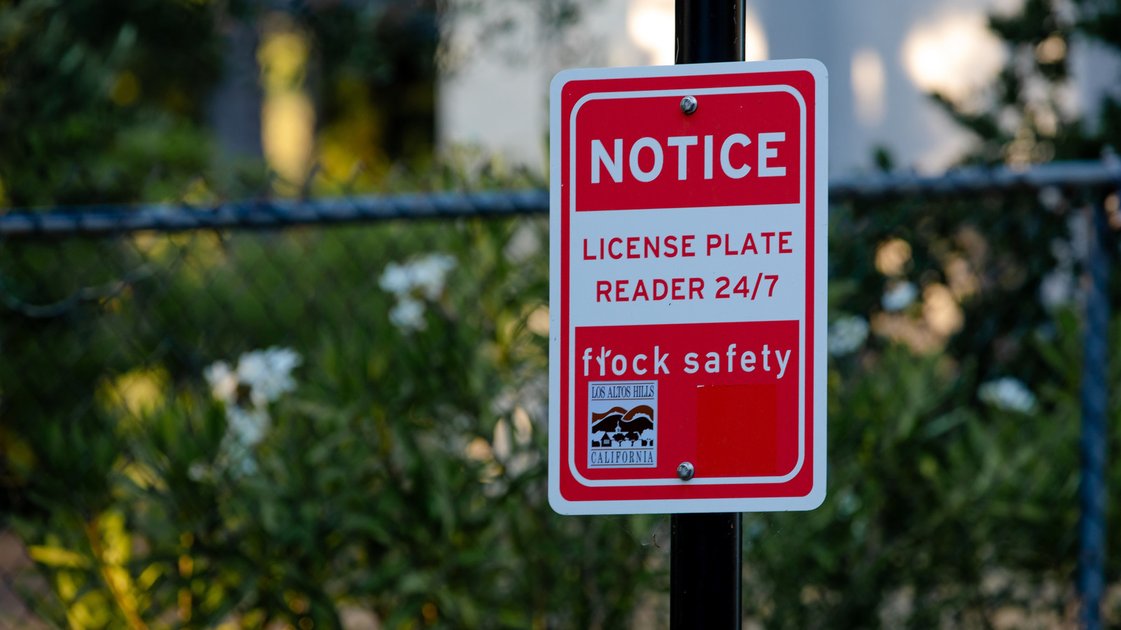
As Flock cameras pop up all over urban landscapes, they’re sparking debate about something that feels more pertinent than ever: our privacy. These devices, often casually labeled as automated license plate readers, do a lot more than merely scan plates. Sure, that’s their primary function, but they’re also tracking movements—of cars, people, and who knows what else—across our cities.
The rapid expansion of this technology in the U.S. raises some crucial questions. How much are we willing to sacrifice in the name of security or convenience? With AI driving these innovations, it’s not just about catching criminals anymore; it’s about a society that’s increasingly comfortable with surveillance. It feels a bit unsettling, doesn't it? As we navigate this new terrain, it’s worth considering what this means for our everyday lives.
What Are Flock Cameras?
Flock cameras are designed primarily for license plate recognition, using advanced optical character recognition (OCR) technology to efficiently read and process vehicle plates. This functionality allows for a range of applications, from monitoring traffic patterns to enhancing security measures in various environments. The cameras capture high-resolution images, enabling accurate recognition even in challenging conditions such as low light or high-speed movement.
Beyond basic license plate reading, Flock cameras offer real-time alerts. They can notify users immediately if a specific license plate is detected, which is particularly useful for law enforcement agencies or private security firms. This feature allows users to act quickly in situations such as vehicle theft or monitoring wanted suspects. The integration with law enforcement databases further enhances their utility; when a plate is recognized, the system can cross-reference it with databases to provide immediate context about the vehicle’s status.
For those looking to implement Flock cameras, the setup is straightforward. Typically, you'll need to mount the cameras in strategic locations and connect them to a central system for monitoring. While the specifics may vary by installation, understanding how to leverage these capabilities effectively will maximize the benefits they offer.
The Technology Behind Flock Cameras
Flock Cameras leverage AI to automate the analysis of surveillance footage, which is a notable shift from traditional systems that typically rely on human operators to sift through hours of video. This automation could reduce the time it takes to identify incidents or track movement patterns, potentially making these systems more efficient. However, I think it’s crucial to question whether this efficiency translates into real-world effectiveness. Community skepticism highlights a fundamental concern: the technology’s ability to accurately interpret complex scenarios and avoid false positives.
Moreover, while the automation aspect is significant, it doesn’t inherently address the ethical implications of mass surveillance or the potential for misuse. Critics are right to emphasize the risk of overreach and the need for strong governance in deploying such technologies. The public's wariness seems grounded in a broader discomfort with surveillance, suggesting that simply being more efficient doesn't equate to being better or more acceptable.
Going forward, I wonder how companies like Flock will navigate this tension between technological advancement and societal concerns. Can they build trust while pushing to implement these AI systems more widely? Or will skepticism impede their adoption, regardless of how well the technology performs?
Real-World Applications and Implications
The skepticism surrounding AI-powered surveillance cameras like those from Flock raises several key considerations about their real-world applications. While these systems automate footage analysis, making it easier for operators to identify pertinent incidents swiftly, I think they still fall short in terms of their practical utility. The promise of faster insights is undermined by the limitations of the underlying technology. For instance, false positives can still lead to unnecessary investigations, which detracts from the efficiency the automation is supposed to provide.
Community feedback has pointed out that while the automated features are touted as advancements, the fundamental issues of privacy and ethical usage remain largely unaddressed. Many users are wary of the surveillance implications and the potential for misuse. This matters for public acceptance; if people are uncomfortable with how their data is being analyzed and stored, the technology’s adoption could be stunted. I find it interesting that while proponents celebrate these systems' efficiency, they often overlook the crucial aspect of public trust, which is essential for any technology that monitors individuals.
Looking forward, it’s clear that the landscape will evolve, but not without friction. How these systems are integrated into existing frameworks for privacy and ethics will significantly shape their future. I wonder whether companies like Flock will adjust their approaches based on community concerns or if they’ll continue to push forward with the technology as it stands. As these conversations unfold, the degree to which stakeholders prioritize transparency and accountability will be critical.
Privacy Concerns and Ethical Considerations
The emergence of AI-powered surveillance cameras like Flock's raises significant privacy concerns that merit deeper scrutiny. While these systems automate the analysis of footage, making it ostensibly more efficient than traditional surveillance, this doesn’t automatically make them less invasive. In fact, the automation of surveillance could lead to a greater scale of monitoring without adequate oversight. I find this unsettling; the potential for misuse or overreach in surveillance practices is real and needs to be addressed more openly.
Community reactions reflect a mix of skepticism and concern. Many express that while the technology can enhance security, it also risks normalizing constant surveillance. Critics point out that the privacy trade-offs are often underappreciated, especially when discussing how much data these systems collect and how it might be used. This highlights a crucial gap in the conversation around such technologies: the need for ethical guidelines that prevent abuse while still allowing for legitimate security needs.
As we navigate these complexities, I wonder how communities will respond to the increasing presence of AI in their public spaces. Will there be enough pushback to establish limits, or will the convenience of these systems overshadow legitimate concerns? The answer could shape the future of surveillance technology, balancing safety and privacy in ways we haven’t yet fully contemplated.
Conclusion
Flock cameras are a fascinating example of how surveillance technology can intersect with daily life. They promise efficiency and safety, but they also raise serious privacy concerns that many are still grappling with. When you watch the growing prevalence of these devices, it's hard not to feel a mix of intrigue and unease. Are we truly safer with constant monitoring, or are we just trading our privacy for perceived security?
As more cities adopt this technology, it’ll be crucial for communities to engage in dialogue about its implications. How do we strike a balance between public safety and individual rights? For now, I’m left wondering if the convenience these cameras offer is worth the potential erosion of privacy. What do you think?