EU Mandates Driver Monitoring Cameras for Safety
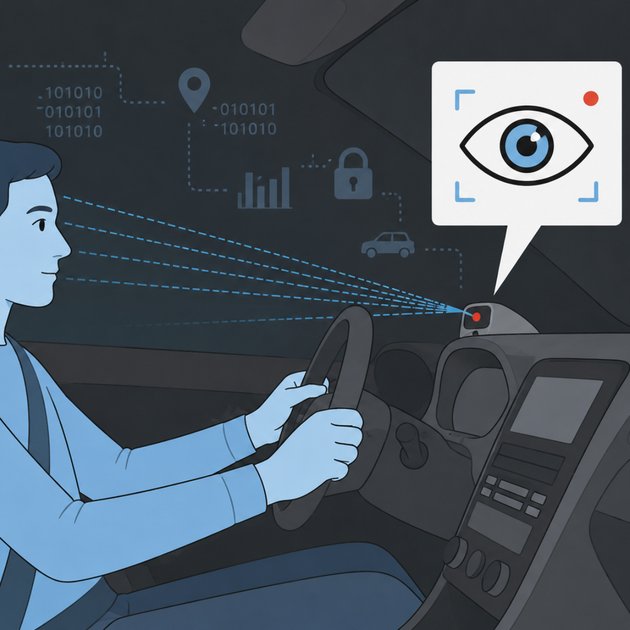
New regulations are shaking up driving safety standards across Europe, and it’s about time. With traffic fatalities still a grim reality despite advances in automotive technology, the EU’s latest approach to safety isn’t just a bureaucratic shuffle; it feels like a genuine attempt to confront long-standing issues head-on. As cars become smarter, the question lingers: can regulations keep pace with innovation?
These changes are more than just a set of rules—they could redefine how we think about safety on the road. Imagine a future where vehicles are not only equipped with advanced driver-assistance systems but are also mandated to meet stricter safety benchmarks. It challenges us to consider whether technology can actually make our roads safer or if it just complicates things further.
As we unpack these new regulations, it's worth pondering what this means not just for manufacturers but for everyday drivers. Are we prepared for a world where compliance could lead to better safety, or will the complexities of regulation stifle innovation? Let’s dive into how these shifts might impact the driving experience.
Overview of Regulation
EU requires driver monitoring cameras in all new cars. Purpose is to enhance safety and reduce accidents. Manufacturers need to adapt quickly to meet this regulation.
Key spec is ADDW system, which activates within 3.5 seconds. This is crucial at highway speeds, but also for slower speeds, like 20 km/h. Gocar.be tested the ADDW system in Xpeng P7+ and found it activates during ordinary driving.
Critics say, "The EU is quickly becoming the surveillance capital of the world." Some drivers joke, "Black vinyl tape over the camera?" This regulation pushes manufacturers to balance safety with privacy concerns.
ADDW System Explained
ADDW system aims to enhance driving safety through technology. However, community feedback reveals skepticism about its practical application. Lane-keeping assist, for example, often leads to alert fatigue from incessant beeping, making it more distracting than helpful. This points to a gap between intended benefits and real-world usage, where drivers may feel overwhelmed rather than supported.
Concerns about data monetization loom large. Many view new regulations as positive, but the fear that cars will become surveillance tools is palpable. This reality complicates the narrative around safety features. While the EU pushes for better regulations, it also risks fostering distrust among consumers who worry about privacy implications.
I see a potential mismatch between regulatory goals and consumer experience. How will this affect adoption of safety tech in the long run? Will drivers embrace these systems, or continue to resist them due to perceived intrusiveness?
Real-World Implications
Regulations around tech in cars seem beneficial on surface, but reality diverges. Lane keeping features, for example, sound helpful but often miss mark. Drivers face alert fatigue from incessant beeping. Instead of enhancing safety, these systems can become nuisances, detracting from user experience.
Concerns about data monetization add another layer. New car tech often collects user data, raising privacy issues. EU’s approach risks making driving feel more like surveillance. This could alienate consumers, who may prefer less invasive solutions over constant monitoring.
I see tension here: safety and innovation versus user comfort and privacy. Will regulators adapt to feedback from drivers? It’s unclear. I wonder if consumer pushback will lead to adjustments in how tech is implemented, or if we'll see more entrenched systems that frustrate users.
Conclusion
EU's driver monitoring mandate, while aimed at safety, raises more questions than it answers. ADDW system's 3.5 seconds at highway speed feels like a hasty solution, not fully addressing underlying issues of driver distraction and fatigue. Compliance might lead to more road data collection, which could backfire on privacy.
Real-world implications of this regulation could shift focus from driver responsibility to tech dependency. Can we trust these systems to actually improve safety, or are we setting ourselves up for another tech overreach? Future moves in this space will be worth watching closely.