GrapheneOS Remote Wiping and Legal Conflict
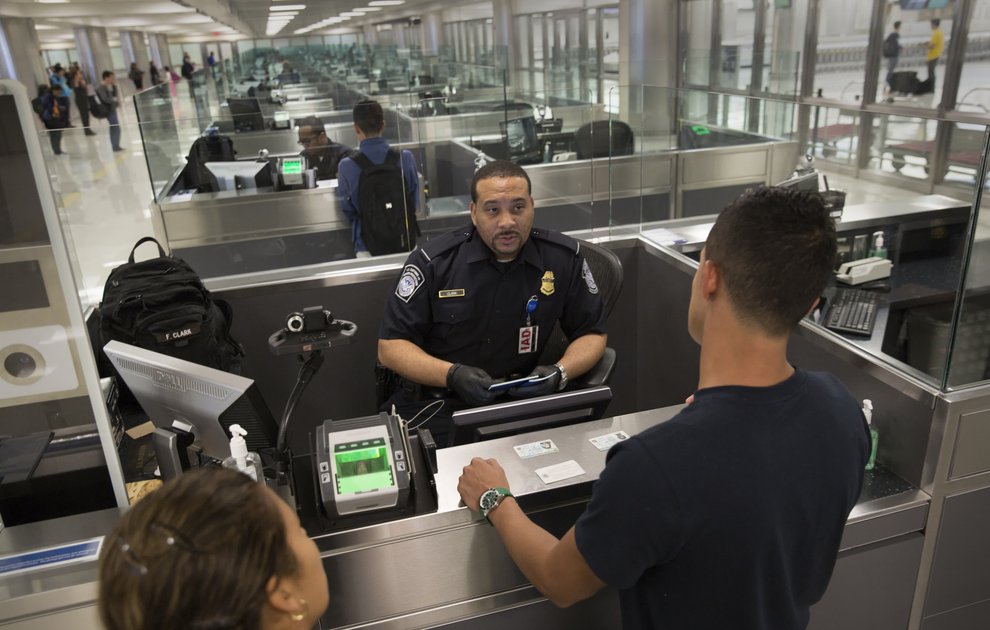
A US citizen is facing charges because their phone wiped itself during an airport security check. The device was running GrapheneOS, an open-source project that lets you trigger a full data wipe if you enter a specific passcode. It's a feature designed for people who care about privacy, but the legal system is treating it like an act of obstruction.
I've followed a lot of privacy-focused OS projects over the years, and this feels different. Usually, the tension is between the user and the state. Here, the law is effectively targeting the operating system itself. It's a weird, uncomfortable precedent.
We're seeing a genuine gap between what's technically possible for privacy and what's legally permissible. If using a specific piece of software to protect your data is now a liability, where does that leave the rest of us?
The Incident
The device wipe happened because the user triggered a remote erase command while the phone was in custody at the airport. This is a risky move. While the intent is to protect data, the timing makes it look like evidence tampering. In this case, it led to actual legal charges.
This part is genuinely confusing because the legal system often treats a wiped phone as an admission of guilt, even if the wipe was an automated security policy or a panic reaction. The logic is that if you didn't have anything to hide, you wouldn't delete the data. I'm not convinced that's a fair legal standard, but it's the one currently in play.
If you're worried about this, the better move is to let them seize the device. Don't unlock it. You'll likely get it back in a few months, and you avoid the "destruction of evidence" charge.
If you want to automate your own device's security, you can set up a "wipe after X failed attempts" policy. On Android, this is handled via the Device Policy Controller.
// Set the maximum number of password attempts before a factory reset
val deviceAdmin = DevicePolicyManager()
deviceAdmin.setMaximumFailedPasswords(
    context,
    adminComponentName,
    15 // Wipe device after 15 failed attempts
)
The Legal Interpretation of "Destruction of Evidence"
The legal problem here is that privacy tools are functionally identical to obstruction tools. If a security feature automatically wipes a device after 10 failed passcode attempts, that's a privacy win for the user but a "destruction of evidence" win for a prosecutor. Law enforcement doesn't care about your threat model; they care that the data is gone. This part is genuinely confusing because the intent of the developer (protecting data) is often legally irrelevant if the result is that the evidence is unrecoverable.
The risk isn't just losing data, it's the legal inference that you deleted it because you're guilty. If a device wipes itself during a forensic acquisition, a court might view that as an intentional act of obstruction. It's a precarious position to be in.
if [ "$SECURITY_BREACH" == "true" ]; then
  # Overwrite evidence directory with random data before deleting
  shred -u -n 3 /home/user/sensitive_evidence
fi
The best move in this situation is to stop interacting with the device entirely. If they're searching for evidence, the most logical question is: what crime was it? Instead of triggering a wipe or providing a password that might be coerced, let them seize the device. Don't unlock it. You'll likely get it back in a few months, and you won't have added "destruction of evidence" to your list of problems.
How GrapheneOS Handles Data Destruction
The debate between duress PINs and decoy volumes is essentially a bet on how a human adversary behaves under pressure. A duress PIN is a technical solution to a psychological problem; it assumes the person demanding the code will be satisfied by a "sanitized" version of your phone. I think this underestimates the friction of a real interrogation. If a forensic analyst sees a phone that looks too clean—no apps, no messages, just a default wallpaper—they aren't going to walk away. They're going to assume you're hiding something and lean harder.
The argument for VeraCrypt’s hidden OS approach is more grounded because it provides plausible deniability through noise, not just absence. Giving a bureaucratic officer a volume with some boring spreadsheets and a few personal photos satisfies the "show me your files" requirement without triggering the suspicion that a blank slate does. It's a subtle difference, but in a legal or coercive setting, the appearance of compliance is more useful than a kill-switch.
I'm still not convinced this solves the problem for mobile hardware. GrapheneOS does a lot of heavy lifting on the encryption side, but if the physical device is seized, the battle is mostly about the human at the other end of the screen. We can build better vaults, but we can't code away the fact that a suspicious agent can tell when they're being lied to.
The real question is whether "plausible" is actually possible anymore when the existence of privacy-hardened OSs is common knowledge. If an officer knows you're running GrapheneOS, does a decoy volume even work, or does it just confirm you're the kind of person who needs one?
Privacy vs. Compliance
The argument for decoy volumes over duress pins is a pragmatic bet on how bureaucracy actually works. A duress pin is a loud signal; it tells an investigator that you're hiding something, which often shifts the encounter from a technical hurdle to a legal battle over obstruction. A hidden OS, however, provides a plausible "win" for the officer. They see a filesystem, they see data, and they can check a box saying the device was accessed.
I think this approach is smarter because it targets the path of least resistance for the person holding the device. Most investigators aren't looking for a needle in a haystack; they're looking for a haystack they can report as found. By providing a believable, low-stakes environment, you aren't fighting the law—you're managing the investigator's expectations.
That said, this only works if the decoy is convincing. If the "decoy" volume contains three generic documents and a browser history from 2019, it’s just a different kind of red flag. The friction here isn't the software; it's the manual labor required to build a digital persona that looks lived-in enough to be boring.
I'm still not sure if this holds up against forensic tools that can detect the specific disk signatures VeraCrypt leaves behind. If the tool flags a hidden volume's existence, the decoy becomes a liability. The real question is whether the average investigator cares more about the "win" of a decrypted drive or the technical anomaly of a hidden partition.
Conclusion
The government calling this a "routine airport inspection" ignores the actual mechanics of what happened. There is a massive gap between a user entering a passcode to unlock a phone and a system that triggers a full wipe because the wrong code was entered.
I'm not sure where the line is here. If the law starts treating an OS-level security feature as a conscious act of "destruction of evidence," then the software itself becomes the crime. It turns a privacy tool into a legal liability.
Will we eventually see courts ruling that using a security-hardened OS is, in itself, evidence of intent to obstruct?