John Deere Owners Secure Right to Repair Equipment
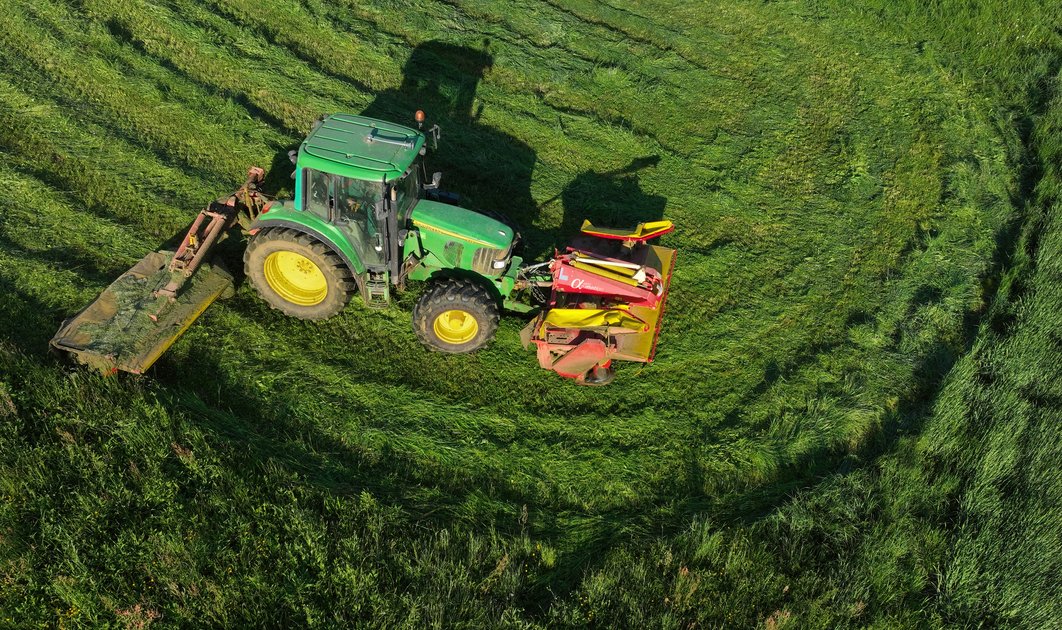
When I first heard about the FTC settlement allowing farmers to repair their own machinery, I couldn't help but feel a mix of relief and excitement. For years, we’ve watched farmers grapple with the frustrating reality of being locked out of their own equipment, often forced to rely on manufacturers for repairs that could take days—or weeks. This isn't just about convenience; it’s about empowerment. Farmers have long been at the mercy of corporate policies that prioritize profit over practicality, and now they finally have a bit of leverage.
What’s particularly striking is how this settlement reflects a growing recognition of the right to repair movement. It’s not just a tech issue anymore; it’s a fundamental question of ownership and autonomy. Farmers, who are often seen as the backbone of our food system, are now gaining a voice in how they manage their tools. But we need to consider the implications of this shift—is it genuinely a win for farmers, or are there hidden pitfalls? If we dig deeper, we might uncover a landscape that's both promising and fraught with complexities.
Background on Right to Repair
Right to repair movement pushes for consumers' ability to fix their own devices without manufacturer restrictions. It's about ownership, autonomy, and reducing waste. When people buy a product, they expect to control it, not be locked out by companies wanting to maximize profits.
Farmers face major challenges with agricultural equipment. Many tractors, combines, and other machines come with proprietary software, making repairs difficult. If something breaks, farmers often rely on expensive dealership services. This not only costs money but also delays crucial farming operations.
Quote from a farmer sums it up: "Good. It’s a tractor, not some tiny glued-together tech gadget." Farmers want straightforward fixes, not convoluted processes. They need access to manuals, parts, and software tools to do their own repairs. Empowering them with right to repair benefits consumers and supports sustainable practices in agriculture.
Benefits for Farmers
Farmers save money by fixing own equipment. Self-repair cuts service costs. Longer equipment lifespan means fewer replacements. Farmers get more value from machines.
Innovation thrives when farmers repair. Knowledge grows through hands-on experience. It’s practical. Farmers learn what works and what doesn’t. They adapt tools for specific needs.
Consider tractors. They’re robust, not delicate devices. Farmers can swap parts, modify engines. This leads to better efficiency. Equipment becomes tailored to unique conditions. It’s not just about keeping things running; it’s about making them better.
FTC Settlement Details
FTC settlement raises questions. Deere's $1 million fine signals antitrust concerns. Compliance oversight could affect how farmers interact with equipment. Many argue farmers deserve right to repair machinery without restrictions.
Community reaction reflects frustration with repair access. This settlement may push for more transparency and freedom in machinery repairs. But implications for broader industry access remain unclear. Will other companies follow Deere's lead or resist change?
I worry this could lead to fragmented compliance. Some manufacturers might push back against repair rights. Key question: How will farmers leverage this settlement in future negotiations?
Industry Response
Deere's $1 million fine for antitrust violations raises questions about farmer rights. Many in farming community view this as a chance for better equipment repair access. Farmers want freedom to fix their own machines without restrictions. This sentiment isn't new, but it gains traction with this ruling.
I think Deere's compliance oversight could lead to more scrutiny of how manufacturers control repair processes. If this case sets precedent, it might push other companies to rethink their policies. But uncertainty remains about how far this will go. Will it actually change repair landscape, or is it just a slap on the wrist? This will take time to unfold.
Conclusion
John Deere owners finally get right to repair. This shift isn't just about fixing tractors; it's about control. Farmers can now tackle repairs without waiting on corporate schedules. But, industry response shows pushback is brewing. Some manufacturers still resist, fearing loss of profits. This isn't over yet.
Will this lead to broader changes in other sectors? Or will companies find ways to sidestep these regulations? Only time will tell.