LG Monitors Install Software via Windows Update
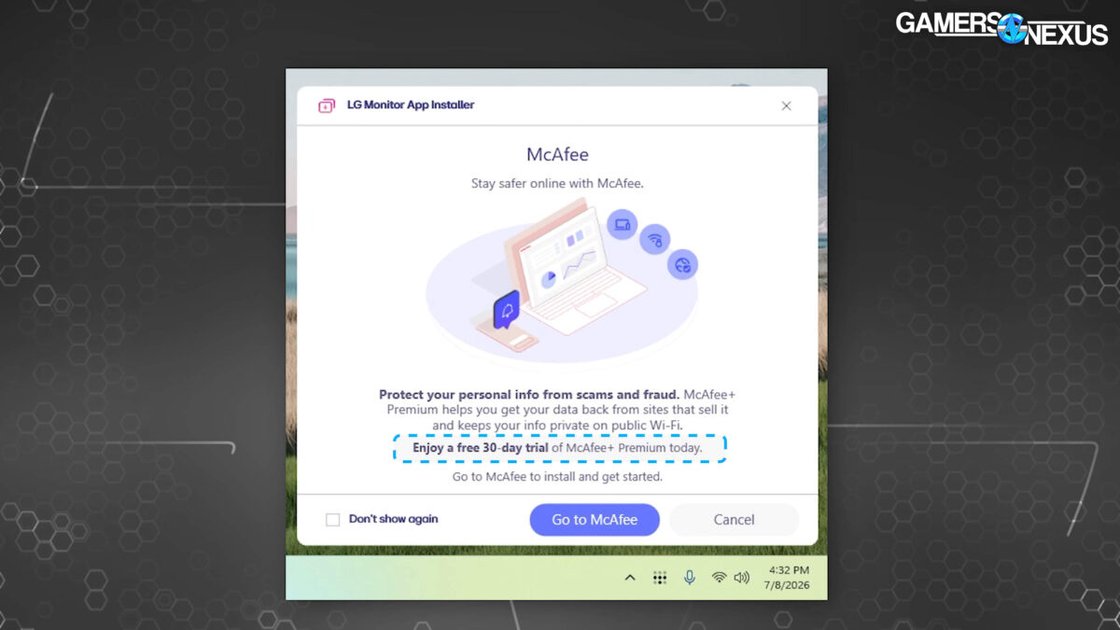
Your monitor is a peripheral. It's a piece of glass and plastic that shows you what your computer is doing. But LG seems to think it's actually a software platform, and they're treating your OS like a delivery vehicle.
They've found a way to push software installs through Windows Update without asking you first. It's a weird move. Usually, if a company wants you to install a utility app for your hardware, they put a prompt on the screen or hide a link in the manual. Instead, LG is just sliding it in through the back door of the update cycle.
I'm not sure why any company thinks "silent installation" is a feature for a monitor. It feels like a blatant power grab for telemetry or just a lazy way to inflate their install base. It's a bit unsettling when the hardware you paid for starts acting like bloatware before you've even clicked "Yes."
The real question is how they managed to get Microsoft to agree to this.
The silent installation mechanism
LG is using Windows Update to push drivers without asking for user consent. This isn't a standard driver update where the OS finds a compatible version of a generic driver. Instead, it's a silent installation that bypasses the usual notification prompts. It's a bad way to handle hardware updates because it removes the user's ability to opt out or vet the software before it hits their kernel.
This process is genuinely confusing because Windows Update is supposed to be a controlled environment. Usually, optional drivers stay in the "Optional updates" menu until you click them. LG has found a way to treat these as mandatory quality updates. If you want to see if a specific driver is currently managing your device, you can check the driver details via PowerShell.
Get-WmiObject Win32_PnPSignedDriver | Where-Object { $_.DeviceName -like "*NVIDIA*" } | Select-Object DeviceName, DriverVersion, ManufacturerThe hardware list affected by these types of updates is broad, covering everything from the RTX 5080 16GB Paqueta Edition to the RTX 5050 8GB Windforce. When the OS handles the installation silently, you lose the chance to use a specific version of a driver that you know is stable. It's a frustrating trade-off where convenience for the manufacturer becomes a risk for the user.
How to detect and remove the software
You can find the LG software by searching for "LG" or "LGE" in the installed apps list under Settings. It often hides under a generic name, which is annoying. If you don't see it there, check your Windows Update history. Look for "Driver Updates" and see if a package from LG was pushed to your machine recently. This is how the software gets on your system without you clicking "Yes" to an installer.
The process of blocking these updates is genuinely confusing because Windows doesn't give you a simple "ignore this specific driver" checkbox. You have to use the "Show or hide updates" troubleshooter tool from Microsoft. Since that tool isn't always easy to find in the current UI, you can use a PowerShell command to disable driver updates entirely across the board.
Set-ItemProperty -Path "HKLM:\SOFTWARE\Microsoft\Windows\CurrentVersion\DriverSearching" -Name "SearchOrderConfig" -Value 0If you prefer a more surgical approach, you can use a Group Policy edit. This is a better option if you have Windows Pro because it lets you keep security patches while blocking the specific hardware vendor updates that cause these issues.
The risk of "peripheral bloat"
The fact that LG is pushing software via Windows Update—not as a driver, but as a full application—is a sloppy move. We've spent years fighting "bloatware" only for it to migrate from the factory image to the OS update stream. I think the community's immediate pivot to gpedit.msc workarounds is a telling sign of how little trust users have in the "plug and play" experience. It's a weird loop: you buy a monitor, and your OS decides you need more software you didn't ask for.
This is a nuanced problem because it's not just about disk space. It's about the permission model of the desktop. When a manufacturer bypasses the user's "Yes/No" and goes straight through Windows Update, they're treating a peripheral like a managed corporate asset rather than a consumer product. I'm not sure if this is a deliberate strategy to inflate "active user" metrics for their software suites or just a lazy implementation of device metadata.
The real question is whether this sets a precedent for other peripherals. If monitors can silently install apps, why wouldn't keyboards or mice do the same? I suspect we'll see more of this until Microsoft tightens the gate on what qualifies as "associated software" versus a critical driver.
Conclusion
It's a bad look for LG to use Windows Update as a delivery vehicle for software you didn't ask for. We've spent years fighting bloatware that comes pre-installed on laptops, but this is different; it's a peripheral reaching back into the OS to install things silently.
I'm not sure where the line is anymore. If a monitor can push software through a system update without a prompt, what's stopping a keyboard or a mouse from doing the same? Check your installed programs and scrub the LG software if you find it. Until there's a way to opt out of this specific behavior in Windows, we're just waiting to see which other hardware vendors decide they own a piece of your drive.