Apple Intelligence Integrates Google Gemini Architecture
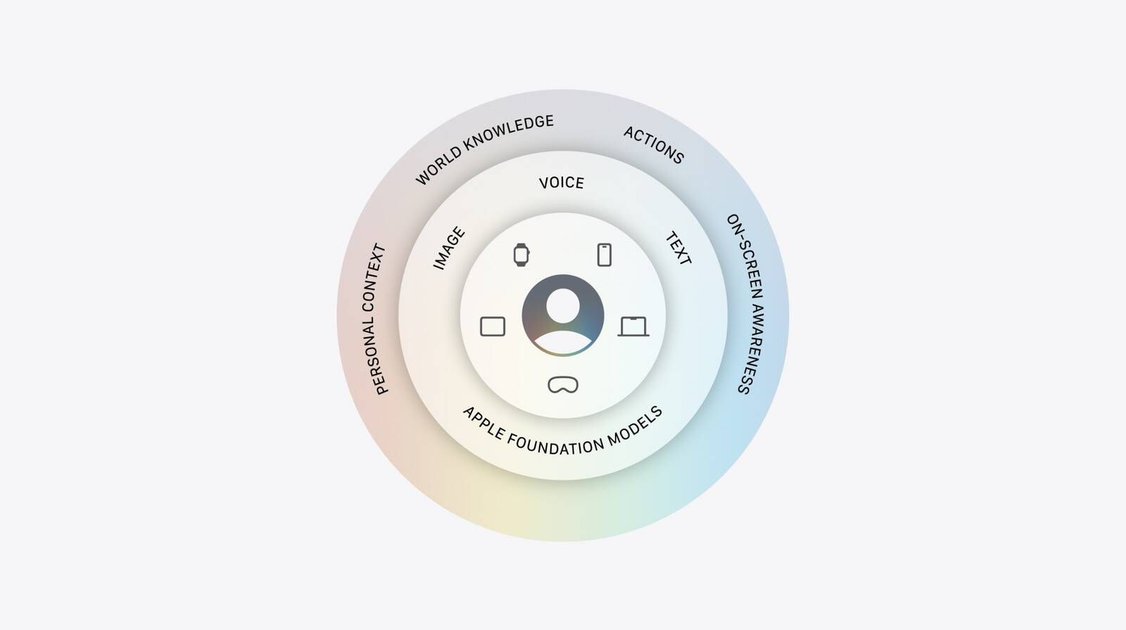
Apple has always been obsessed with owning the whole stack. From the silicon in your MacBook to the OS on your iPhone, the company's entire identity is built on vertical integration. That's why it's so strange to see them lean on Google for the foundation of Apple Intelligence.
They're calling it a "deep collaboration," but let's be honest. Apple is using the tech behind Gemini to power its new architecture. They've adapted these models to run on-device and through Private Cloud Compute, but the core engine isn't entirely their own. It's a pragmatic move, but it's a jarring departure from the "we do it better ourselves" philosophy they've preached for decades.
I'm not sure if this is a sign that Apple underestimated the sheer scale of the LLM race or if they've just decided that some parts of the stack aren't worth the effort of building from scratch. Either way, it raises a bigger question about where the "Apple" part of Apple Intelligence actually begins.
The Gemini Integration
Apple Intelligence is a hybrid system. For basic tasks, it uses on-device models that run on the Neural Engine. When a request is too complex for local hardware, it sends the data to Private Cloud Compute, which uses a larger server-side model. Gemini is the external layer. If the system can't handle a request locally or via its own cloud, it asks the user for permission to route the query to Google.
The split between on-device and server-side execution is where this gets messy. On-device models are small and fast, but they lack the reasoning depth of a foundation model like Gemini. Apple's approach is to use a "router" to decide where the work happens. This is a practical necessity because running a trillion-parameter model on a phone would kill the battery in minutes.
To integrate a model like Gemini into a workflow, you'd typically use a REST API call. Here's how a basic request looks using the Google Generative AI SDK:
import google.generativeai as genai
import os

genai.configure(api_key=os.environ["GEMINI_API_KEY"])
model = genai.GenerativeModel('gemini-1.5-flash')

response = model.generate_content("Explain the difference between a GPU and an NPU.")
print(response.text)
The privacy claims here are a bit confusing. Apple says the data is processed without storing it, but since Gemini is a third-party service, you're essentially trusting two different companies with the same prompt. It's a trade-off: you get the intelligence of a massive model, but you lose the tight control of a fully local system.
The Shift in Apple's Strategy
Apple isn't building a foundational LLM from scratch because the compute costs and data requirements are too high for the specific way they want to integrate AI into iOS. Instead, they're using a hybrid approach: small, on-device models for basic tasks and "deep collaborations" with partners like Google for complex reasoning. It's a pragmatic move. They've realized that maintaining a frontier model requires a constant, massive burn of GPU clusters and fresh data that doesn't fit their typical hardware-first release cycle.
This shift changes the Apple-Google relationship from a strict search-deal transaction to a technical dependency. Apple is essentially outsourcing the "intelligence" layer for high-end queries while keeping the privacy and execution layer in-house. This part is genuinely confusing because Apple's brand is built on privacy, yet they're routing prompts to external servers. They're trying to bridge this gap with Private Cloud Compute, which is just a fancy way of saying they're running their own secure servers to handle the hand-off.
If you're a developer trying to integrate with these new capabilities, you'll likely be interacting with the App Intents framework to make your app's functionality discoverable by these models.
// Define an intent so the system LLM knows how to trigger your app's feature
struct OrderCoffeeIntent: AppIntent {
    static var title: LocalizedStringResource = "Order Coffee"

    @Parameter(title: "Drink Type")
    var drink: String

    func perform() async throws -> some IntentResult {
        // Logic to send order to the API
        return .result(dialog: "Ordering your \(drink) now.")
    }
}
The technical trade-off is clear. Apple gets the capability of a 1.8 trillion parameter model without having to manage the 50,000 H100s required to train it. Google gets a direct pipe into the most valuable real estate in tech: the iPhone lock screen.
Private Cloud Compute
Apple is essentially admitting that they couldn't build a competitive frontier model in-house fast enough to ship with the hardware. By leaning on Google’s Gemini tech for the heavy lifting in the cloud, they've traded total autonomy for a faster time-to-market. I think the "collaboration" framing is mostly marketing; in reality, this looks like a pragmatic bridge to keep them from falling years behind in the LLM race.
The community seems preoccupied with the privacy claims of Private Cloud Compute, but I'm more interested in the dependency. Apple is now tethered to Google's architectural choices for their high-end intelligence. If Gemini's trajectory shifts or the partnership sours, Apple has a massive gap in its stack that they can't just patch with a software update.
It's a win for the user experience—you get the power of a Gemini-class model with Apple's ecosystem integration—but it's a weird spot for Apple to be in. They've spent a decade positioning themselves as the only company you can trust with your data, and now they're routing that data through a pipeline built with the help of the world's biggest data-collection company.
The real question is whether Apple can actually iterate their own foundation models to the point where Gemini becomes optional, or if this is just the first version of a permanent lease.
Conclusion
Apple is finally admitting that they can't build a world-class LLM fast enough to keep up with the market. Bringing in Gemini is a pragmatic move, but it's also a weird admission of defeat for a company that usually insists on owning every single layer of the stack.
I'm still not convinced that Private Cloud Compute actually solves the privacy trade-off, or if it's just a very expensive way to make us feel better about sending data to a server.
The real question is whether you'll actually use these features once the novelty of "smart" emails wears off, or if this is just more bloatware we'll ignore by next update.