Building Life: The First Synthetic Cell Explained
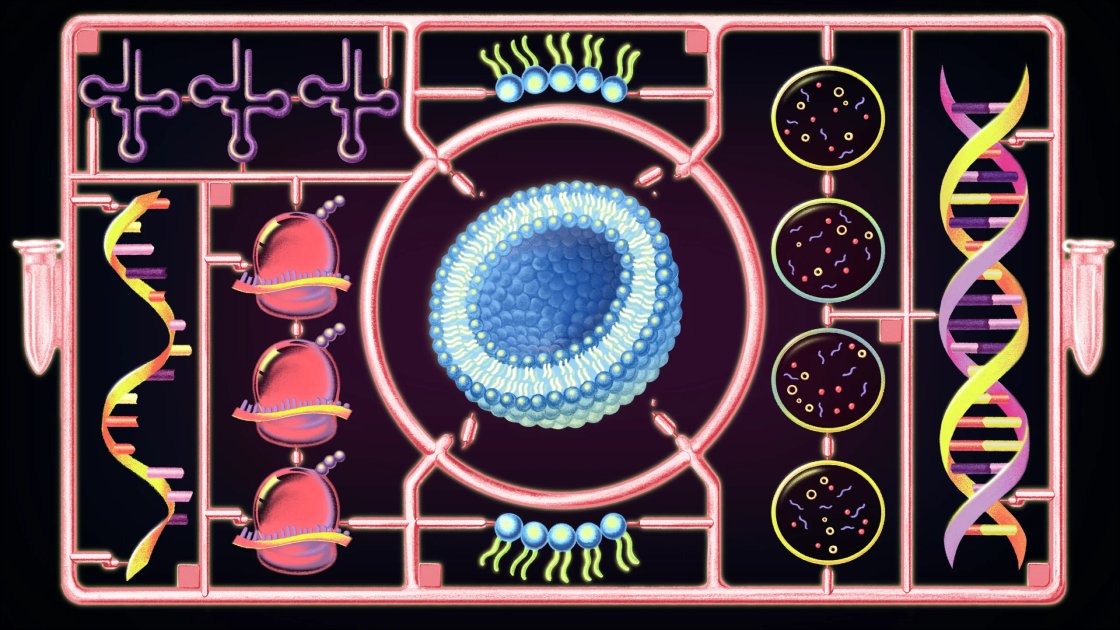
Scientists have just taken a significant step forward by creating a fully synthetic cell that can grow and divide. This isn’t just some lab curiosity; it opens up a whole new playground for biological research and potential applications. It’s the kind of achievement that makes you wonder what else might be possible if we keep pushing the boundaries of synthetic biology.
What’s fascinating is how these researchers went about it. They didn’t just whip up a cell from scratch. Instead, they developed and optimized various ingredients, many of which were inspired by work in other labs. Then, they combined these components inside liposomes—essentially tiny bubbles made from a lipid membrane. This clever approach mimics the cellular environment, setting the stage for something that behaves like a natural cell.
Now, the implications of this artificial life form are huge. It’s one thing to create a synthetic cell; it’s another to consider how it could be used in research, medicine, or even bioengineering. What new insights will we gain from these man-made cells? And what ethical dilemmas might arise as we venture deeper into this uncharted territory? There’s a lot to unpack, and I’m curious to see where this leads.
The Journey to Synthesis
The development of synthetic cells began with a simple yet profound question: Can we create life from non-living components? Researchers drew inspiration from natural biological processes, looking to replicate the way cellular structures form and function. One critical area of focus has been liposomes, which are spherical structures made of lipid bilayers. These liposomes demonstrate characteristics similar to cell membranes, making them a promising foundation for synthetic cell development.
Optimizing the ingredients for these synthetic cells has proven crucial. The choice of lipids, for instance, can significantly affect the stability and integrity of the liposome. Researchers experiment with various lipid compositions to find the right balance that ensures these artificial cells not only survive but can also perform functions akin to biological cells. This is where the journey gets complex. The variety of lipids available means that finding the optimal mix often involves trial and error, and even the slightest change can lead to vastly different outcomes.
The implications of creating synthetic cells are vast. Some researchers are enthusiastic about the potential applications, such as drug delivery systems or creating new materials. Others express concern about the ethical and practical ramifications. One researcher humorously remarked, "This is awesome! Can someone in this field comment on the implications of sidestepping the cytoskeleton?" This highlights a genuine complexity — the cytoskeleton plays a vital role in maintaining a cell's shape and facilitating movement. By bypassing it, synthetic cells might not replicate all the functions of their natural counterparts, which raises questions about their viability and ecological impact.
As we push the boundaries of what's possible in synthetic biology, it's clear that we're only scratching the surface of understanding life's building blocks. One comment that stuck with me was, "The aliens that seeded life on Earth are seeing us making baby steps. Expect a visit soon!" While that might be more playful speculation, it underscores the wonder and potential of this research area. Synthetic cells might not just be a scientific curiosity; they could redefine our understanding of life itself.
The Role of Liposomes in Cell Construction
The use of liposomes as a foundational element in synthetic cell construction is noteworthy not just for its innovative approach but also for what it suggests about the future of synthetic biology. By creating a cellular body from a simple lipid membrane, researchers are streamlining the complexity traditionally associated with cell structures. This is a fundamentally different direction compared to methods that rely on more intricate biological scaffolds like the cytoskeleton. I think this simplification could open new pathways for researchers looking to explore the boundaries between living and non-living systems.
Community response to Dr. Kate Adamala's work has been mixed. While many celebrate this as a leap forward, there are valid concerns about the implications of bypassing established biological structures. It's not just about technical prowess; the ethical and safety considerations surrounding synthetic life forms remain significant. As we venture deeper into creating organisms from non-living components, I find myself questioning what safeguards should be in place to mitigate unforeseen consequences. This tension between innovation and caution is something that the scientific community will need to navigate carefully.
Looking ahead, I expect to see more research aimed at refining these techniques and addressing the ethical concerns that accompany them. However, I can't help but wonder whether the excitement around this innovation might overshadow critical discussions about its implications. Are we ready to fully embrace the potential and risks of synthetic life, or will caution lead to stagnation?
Implications of Synthetic Cell Technology
The development of synthetic cell technology that uses liposomes as cellular bodies marks a notable shift in how researchers might approach creating living systems from scratch. By improving upon existing ingredients and methods, this work showcases a practical step toward engineering living organisms. However, the reliance on prior research suggests an ongoing interdependence within the scientific community, where innovation often builds on established ideas. This isn’t a radical departure but rather an evolution of existing knowledge.
Dr. Kate Adamala's approach to synthetic cell division, which bypasses the traditional cytoskeleton, introduces an intriguing method of manipulating cell membranes through protein tags. While this is a significant advancement in the field, it raises questions about the scalability and safety of such techniques. The community's mixed feelings reflect these concerns; while excitement surrounds the potential for creating more complex synthetic organisms, the ethical and practical implications of such capabilities cannot be overlooked.
I think this highlights a broader challenge: how do we balance innovation with caution? As researchers push the boundaries of what constitutes life, the implications of their work could extend beyond the lab. For instance, if we can create synthetic life forms, what responsibilities do we have in terms of ecological impact and bioethics? There is much to contemplate as this technology develops, and the questions it raises will likely require as much attention as the science itself.
Conclusion
What we’re seeing with synthetic cells is a fascinating blend of creativity and technical prowess. Researchers have taken cues from existing biological systems to craft something entirely new within liposomes, but let's not overstate the implications just yet. We’re at the beginning of a long road that could lead to practical applications or could fizzle out like so many ambitious biotech projects before it.
As we think about the future of this technology, consider the ethical and practical questions: What are the risks of creating life in a lab, and who gets to decide how it’s used? The excitement of building life is tempered by the uncertainty of what that really means for society. Synthetic cells could be revolutionary or just another scientific curiosity. I'm genuinely curious to see which direction this will take.