Costco's Retail Strategy vs. Amazon's E-Commerce
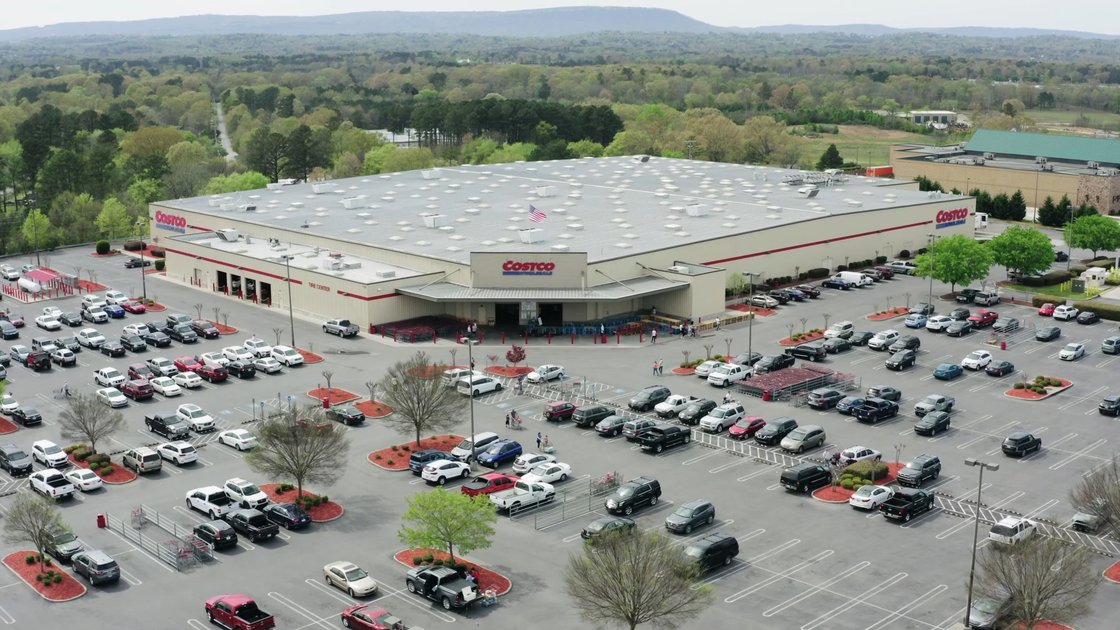
Costco isn’t just a big box store; it’s a membership-driven powerhouse that’s quietly reshaping the rules of retail in the shadow of Amazon’s e-commerce dominance. While Amazon thrives on the sheer volume of options, Costco’s model relies on exclusivity and a curated selection. It’s an interesting contrast that raises a question: in a world where we can have nearly anything delivered to our doorsteps, do we still crave the simplicity and savings that Costco offers?
Take a moment to think about it. When’s the last time you felt overwhelmed by choice, scrolling endlessly through product listings? Amazon’s vast catalog can be a double-edged sword. Sure, you can find anything from a rubber duck to the latest tech gadget, but that endless scrolling often leads to decision fatigue. Costco, on the other hand, offers a streamlined shopping experience that prioritizes quality and value over quantity. This isn’t just about groceries or bulk toilet paper; it’s a different philosophy that might just have staying power in an increasingly complex marketplace.
We’re caught between the allure of endless options and the practicality of a more focused selection. So what does this mean for the future of online shopping? If Costco continues to challenge traditional e-commerce norms, we might have to reconsider how we define convenience in our shopping experiences.
Costco's Business Model
Costco's membership model is a core element of its strategy, driving customer loyalty and sales. Customers pay an annual fee, which grants them access to a wide array of products at competitive prices. This system not only creates a sense of exclusivity but also encourages frequent visits. Costco enjoys a remarkable annual membership renewal rate of 90 percent, indicating that once customers join, they're likely to stick around. This loyalty translates into consistent sales, as members return regularly to take advantage of bulk purchasing options.
Bulk purchasing is integral to Costco's value proposition. By selling items in larger quantities, Costco can offer lower per-unit prices, which appeals to budget-conscious consumers and families. This model contrasts sharply with traditional grocery stores, where smaller package sizes often come with higher prices. The average shopper at Costco leaves with a cart full of goods, boosting overall sales volume. The e-commerce share of retail in the United States remains under 17 percent, suggesting there's still a significant market for in-person shopping experiences like Costco offers, where members can physically inspect bulk items.
Inventory management at Costco is simplified by its limited stock keeping units (SKUs). With approximately 4,000 SKUs, Costco offers a streamlined selection compared to Walmart's 130,000 SKUs. This limited variety allows Costco to focus on high-demand products and negotiate better prices from suppliers, which contributes to their ability to keep costs low. Fewer SKUs also mean more efficient inventory turnover, reducing the need for extensive warehousing and minimizing excess stock. By curating its inventory, Costco ensures that members can find popular items while avoiding the paralysis that can come from too many choices.
In summary, Costco's membership model, bulk purchasing strategy, and limited SKU inventory significantly influence its operations and customer experience. These aspects not only reinforce loyalty but also create a shopping environment where members feel they are getting the best value for their money.
Comparing SKU Strategies
Costco operates with around 4,000 SKUs, while Walmart juggles approximately 130,000. This difference significantly shapes their customer experience, pricing strategies, and overall operational efficiency. With fewer products, Costco can focus on offering higher quality at lower prices, catering to a specific segment of consumers who value bulk buying and simplicity. The limited selection also allows Costco to negotiate better deals with suppliers, passing those savings directly to its members. Membership at Costco comes with a 90 percent renewal rate, indicating a strong loyalty among its customer base.
In contrast, Walmart's vast array of products aims to serve a broader audience. This extensive SKU count enables Walmart to attract diverse customers looking for one-stop shopping. However, managing such a large inventory can complicate pricing strategies and lead to higher operational costs. With so many products, Walmart must constantly monitor stock levels and prices across multiple categories, which isn't as streamlined as Costco's model.
The impact of these strategies extends to the e-commerce side as well. While e-commerce is becoming increasingly important, it still represents under 17 percent of retail in the United States. Costco’s model benefits from being a physical retail destination, creating a shopping experience that enhances its membership value. The loyalty and frequency of visits at Costco contrast with the more transactional nature of Walmart’s shopping experience.
Ultimately, the core difference between Costco's 4,000 SKUs and Walmart's 130,000 SKUs reflects their distinct approaches to retail. Costco capitalizes on a focused inventory that encourages bulk purchasing, while Walmart spreads its offerings to capture a larger market share. Each strategy has its strengths and weaknesses, but both companies have established solid positions in the retail landscape.
The E-Commerce Landscape
The discussion surrounding Costco, especially as highlighted in the Acquired podcast’s episode, brings an interesting lens to the evolving e-commerce landscape. Costco's business model, which emphasizes bulk purchasing and membership fees, stands in stark contrast to the practices of e-commerce giants like Amazon. This isn’t just about two companies competing for market share; it touches on deeper consumer behaviors and preferences that may influence how people shop.
I think there’s a genuine tension here. While Costco thrives on the idea of limited selection and a no-frills shopping experience, other e-commerce platforms are built on the vast expanse of choice and convenience. This dichotomy raises questions about what consumers truly value: the allure of variety or the simplicity and cost-effectiveness of bulk buying. It’s notable that the podcast encourages listeners to reflect on their own purchasing habits, suggesting that the way we shop is not just a transactional relationship but a reflection of our values and priorities.
As we look ahead, I’m curious about how this will play out in terms of customer loyalty and purchasing trends. Will more consumers gravitate towards models that prioritize value and simplicity, or does the convenience offered by e-commerce giants continue to dominate? The answer isn’t clear-cut, and this ongoing shift in consumer behavior could lead to a reevaluation of how e-commerce strategies are developed in the future.
The Future of Retail
The conversation around the future of retail, especially in light of the recent Acquired podcast episode on Costco, raises some intriguing points about the sustainability of different business models in a market increasingly dominated by e-commerce. Costco's approach, which hinges on membership and bulk purchasing, stands in stark contrast to the convenience-driven strategies of giants like Amazon. This distinction is not just a matter of preference; it reflects deeper shifts in consumer behavior, particularly as shoppers reconsider their purchasing habits in a post-pandemic world.
Community reactions indicate a growing awareness of how personal choices impact broader market trends. Many listeners of the podcast found themselves reevaluating their own shopping habits, which isn't surprising. As consumers become more conscious of where and how they spend their money, companies like Costco that offer a clear value proposition—like lower prices through bulk buying—might find a more receptive audience. However, this doesn't necessarily spell doom for e-commerce. The convenience and speed that platforms like Amazon provide still resonate strongly with a significant segment of the population.
I think it's worth asking how long this return to a more traditional retail model can last. Will the nostalgia for in-person shopping and the value of membership-based models hold up against the relentless push for convenience? The dynamics at play are complex. It’s possible that while some consumers gravitate back toward brands that emphasize value and community, others will remain loyal to the ease that comes with online shopping. The real question is how retailers adapt to these shifting sentiments. Are we heading toward a hybrid model where stores become more experiential, or will the giants continue to dominate regardless? The answers may shape the retail landscape more than we anticipate.
Conclusion
Costco’s retail strategy is a stark contrast to Amazon’s e-commerce convenience, and its success hinges on a fundamental tension in consumer preferences. While Costco offers a curated selection of around 4,000 SKUs, its physical shopping experience demands patience, with long lines and crowded aisles. In contrast, Amazon thrives on the promise of vast choices and the convenience of home delivery. But as we’ve seen, not every shopper prioritizes the same aspects; some still value the in-person experience and bulk buying options that Costco provides.
The real question isn’t just whether Costco can compete with Amazon, but whether that competition even matters in the long run. Are we heading towards a retail environment where the multi-channel approach becomes the norm, or will consumers eventually gravitate towards one model over the other? The answer remains murky, but watching how both giants adapt to shifting consumer preferences will be revealing. As these dynamics unfold, it’s worth considering: what kind of shopping experience do you personally prefer, and how might that impact the future of retail?